


Breakthrough in Porphyry Gold Extraction: PANDA Agent Delivers 93.43% Recovery
Introduction: The Challenge of Porphyry Gold Deposits
Porphyry gold deposits are known for their large scale but often low grade. For mining operations facing these geological realities, achieving economic viability is a constant balancing act. Traditional cyanidation, while effective, comes with significant environmental liabilities and rising regulatory hurdles.
This case study explores the successful application of the PANDA Environmentally Friendly Gold Leaching Agent on a low-grade porphyry gold mine in Gansu, China. The results demonstrate a path to high recovery rates without the toxicity risks associated with sodium cyanide.
The Ore Characteristics: A Testbed for Efficiency
The subject ore body is characterized by its low grade (0.74 g/t Au) and specific mineralogy. Crucially, 81.49% of the gold is free-milling (bare gold), primarily occurring as natural gold with particle sizes ranging from 10~150μm. This mineralogical profile makes it an ideal candidate for efficient leaching, provided the right chemistry is applied.
We conducted rigorous testing, including carbon in leaching (agitated leaching) and column leaching (simulating heap leaching), to determine the optimal parameters for the PANDA agent.
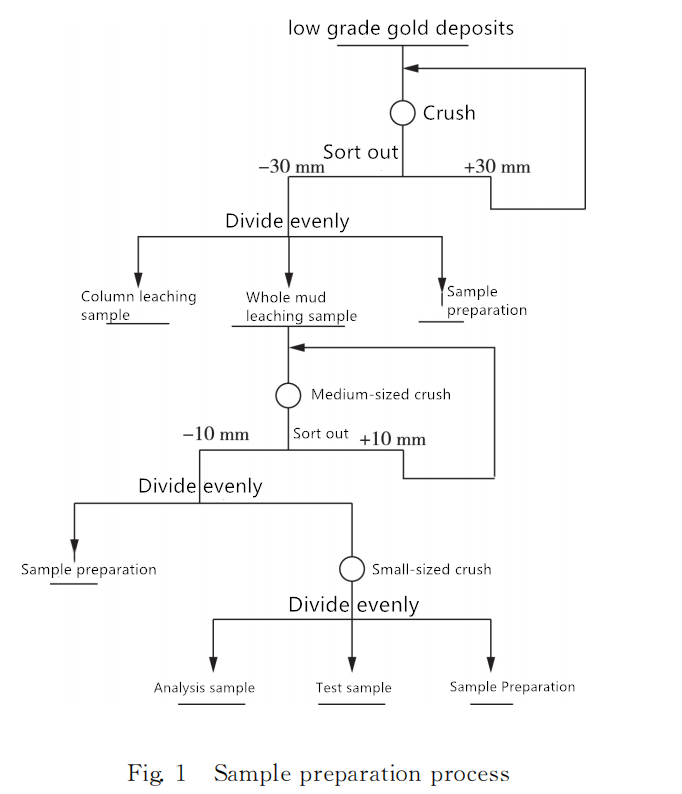
Figure 1: Ore sample preparation is a critical step in ensuring accurate test results for both column and agitation leaching.
Superior Kinetics: How PANDA Outperforms in Agitation Leaching
In full mud leaching tests, the PANDA agent proved its mettle against industry standards. Under optimized conditions, it achieved a gold leaching rate of 93.43%, surpassing the performance of other non-cyanide agents tested (such as Feijin and CG505).
The optimal parameters for this high recovery rate are as follows:
Grinding Fineness: -0.074mm (80% passing)
Slurry Density: 25%
pH Value: 11.0 (adjusted with lime)
PANDA Dosage: 1.02 kg/t (Initial concentration: 500 mg/L, maintained at ≥300 mg/L)
Leaching Time: 20 hours
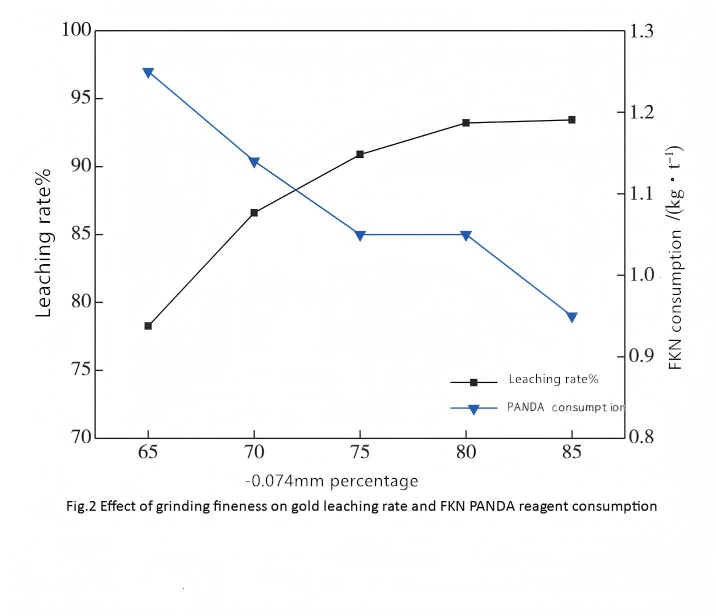
Figure 2: The relationship between grinding fineness and leaching efficiency. Optimal exposure of gold particles is key.
Operational Sweet Spots: Data-Driven Optimization
Our research identified specific "sweet spots" for the PANDA process that every metallurgist should note:
Grinding Fineness: While finer grinding increases exposure, it also increases cost. We found 80% passing -0.074mm to be the most economical balance, yielding a recovery of 93.21%.
Reagent Concentration: The leaching rate spikes as the initial PANDA concentration approaches 500 mg/L. Beyond this point, diminishing returns set in.
Time is Money: The most significant extraction occurs within the first 20 hours. Extending the cycle further provided negligible benefits, allowing for tighter batch scheduling.
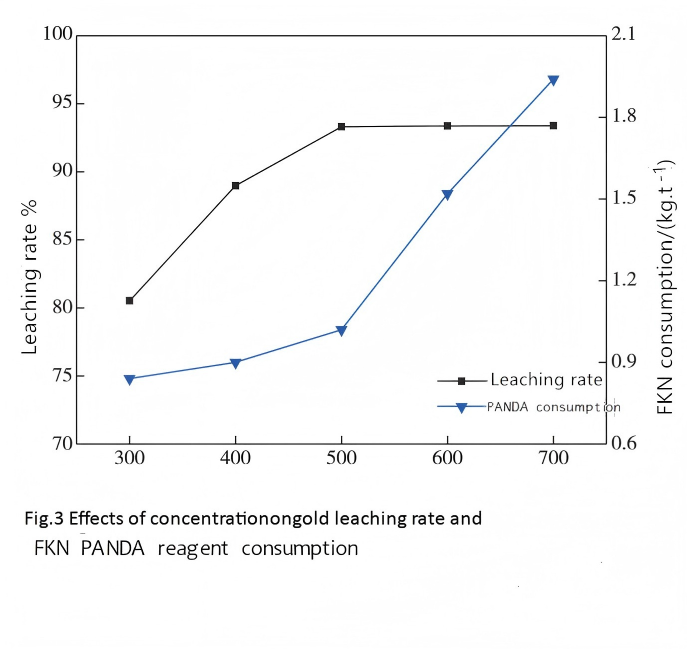
Figure 3: Optimizing the initial PANDA concentration is crucial for cost control without sacrificing yield.
Scalability: From Lab to Heap Leaching
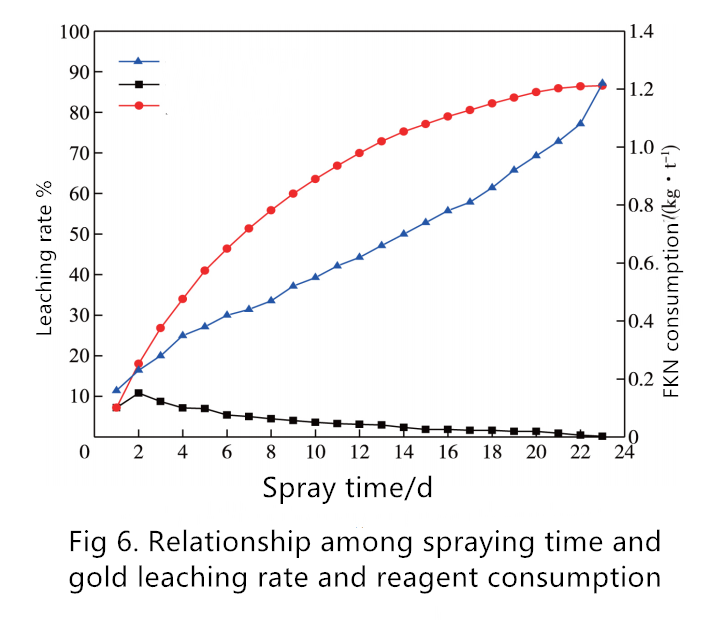
For large-scale operations, the column leaching test is a vital predictor of heap leach performance. The ore was crushed to -30mm and subjected to a 23-day spray leaching cycle.
The results were robust:
Cumulative Gold Leaching Rate: 86.54%
Cumulative PANDA Consumption: 1.22 kg/t
The gold entered its peak leaching phase on the second day of spraying, indicating rapid reagent action. This data provides a solid foundation for designing a full-scale heap leaching operation for this porphyry deposit.
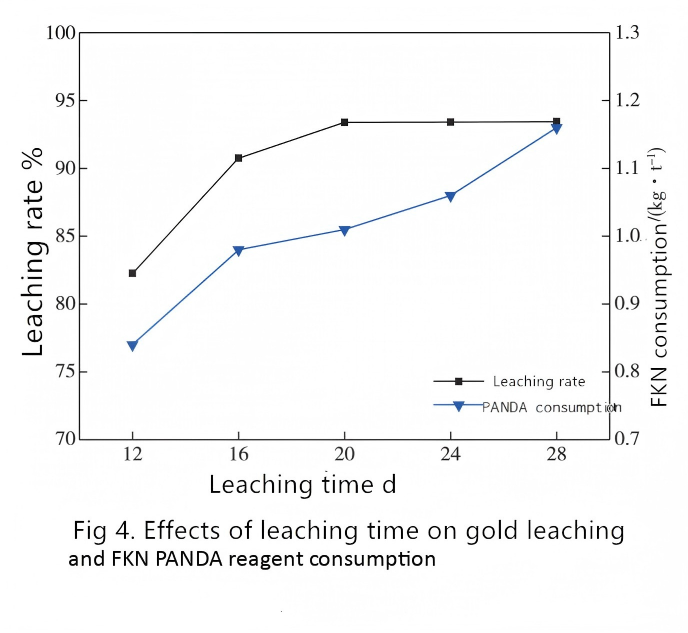
Figure 4: Leaching kinetics show that 20 hours is the optimal duration for agitation leaching.
Cost and Environmental Comparison
Switching to PANDA offers a dual advantage. Not only does it eliminate the transportation and handling risks of deadly cyanide, but it also streamlines the process.
Compared to sodium cyanide (which achieved 93.19% leaching under the same test conditions), PANDA offers:
Higher Recovery: +0.24% increase.
Lower Consumption: PANDA consumption was significantly lower than cyanide consumption (data indicates cyanide consumption was higher than PANDA's 1.02 kg/t equivalent).
Simpler Chemistry: The process requires only pH adjustment with lime, similar to cyanidation, allowing for easy integration into existing plants.
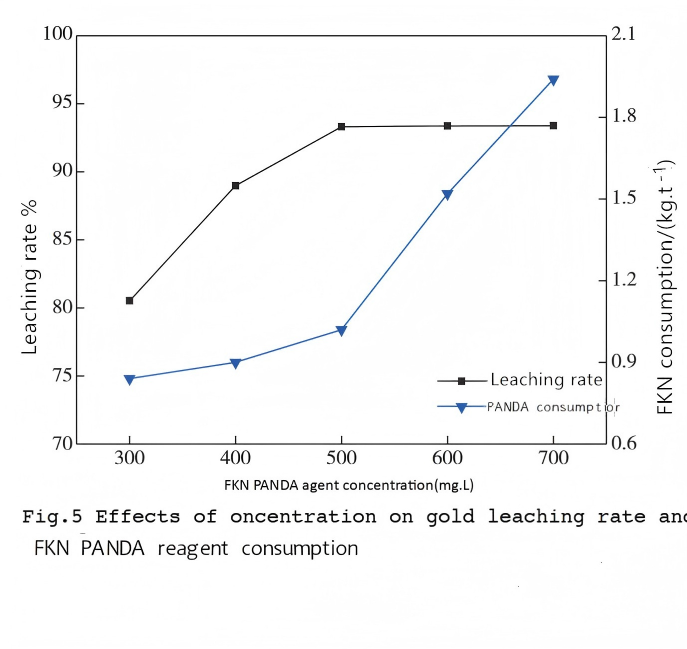
Figure 5: Slurry concentration impacts diffusion rates; 25% was found to be optimal.
Conclusion: A Viable Future for Non-Cyanide Leaching
The data from the Gansu porphyry gold mine is conclusive. The PANDA leaching agent is a technically sound and economically viable alternative to sodium cyanide for low-grade, large-scale deposits.
Whether your operation requires the intensity of Carbon in leaching or the scalability of heap leaching, PANDA technology offers a greener, high-performance solution.
Related Catalogues:
Related Products:
Related Solutions:
GOLD RECOVERY OPTIMIZATION SYSTEM
FAQ for Breakthrough in Porphyry Gold Extraction: PANDA Agent Delivers 93.43% Recovery
1. What is the gold leaching efficiency of PANDA compared to traditional cyanide for porphyry ores?
Answer: In direct comparative tests on the Gansu porphyry gold ore, the PANDA agent achieved a 93.43% leaching rate. This is slightly higher than the 93.19% recovery rate achieved by sodium cyanide under identical test conditions. This proves that switching to an eco-friendly agent does not require a compromise on metal recovery.
2. What are the optimal grinding fineness requirements when using the PANDA leaching agent?
Answer: For this specific porphyry ore, the optimal grinding fineness was determined to be -0.074mm (80% passing). At this fineness, the balance between gold liberation and processing cost (including solid-liquid separation) is maximized, yielding a recovery rate of 93.21%.
3. How does the consumption rate of PANDA compare to sodium cyanide?
Answer: The PANDA agent demonstrated lower consumption than sodium cyanide. In the carbon in leaching test, the PANDA consumption was 1.02 kg/t. In contrast, the consumption of sodium cyanide in the same test was higher (typically cyanide consumption is measured in kg/t as well, and the data shows PANDA is more efficient). This lower consumption directly translates to reduced reagent costs.
4. Can the PANDA agent be used for heap leaching operations?
Answer: Yes. Column leaching tests (which simulate heap leaching) were successfully conducted. After 23 days of spray leaching with PANDA on crushed ore (-30mm), a cumulative gold leaching rate of 86.54% was achieved. This indicates that PANDA is suitable for large-scale, low-grade ore bodies processed via heap leaching.
5. What is the required pH level and leaching time for the PANDA process?
Answer: The PANDA leaching process requires an alkaline environment similar to cyanidation. The optimal pH value is adjusted to 11.0 using lime. For full agitation leaching, the optimal duration is 20 hours. Maintaining the PANDA concentration at or above 300 mg/L