


Lead Acetate: A Pb²⁺ Source for Oxide and Sulfide Mineral Activation
Application Scope
Lead acetate serves primarily as a soluble source of Pb²⁺ ions for activating both oxide and sulfide minerals in flotation circuits. Its main value lies in mineral surface modification, where Pb²⁺ adsorption creates active sites for collector attachment and improves flotation selectivity under optimized process conditions.
Titanium Mineral Flotation (Anatase and Rutile)
The most significant application of lead acetate is in titanium mineral flotation, especially for anatase and rutile (TiO₂) beneficiation. Research demonstrates that Pb²⁺ provides effective activation for anatase, with similar activation behavior observed in rutile flotation systems.
In refractory anatase ore processing, a flotation flowsheet using lead acetate as an activator combined with carboxymethyl cellulose and sodium fluorosilicate depressants achieved a TiO₂ concentrate grade of 30.91% with recovery reaching 80.32%. Lead acetate and related lead salts are also applied as rutile activation agents in stepwise flotation processes.
Cassiterite (Tin Oxide) Flotation
Lead acetate is also applied in cassiterite flotation, where soluble Pb²⁺ species contribute to surface activation. Lead-ammonia complexes derived from lead salts improve the hydrophobicity of fine cassiterite particles and enhance collector adsorption.
The activation mechanism involves Pb²⁺ adsorption onto cassiterite surfaces, generating additional reactive sites that improve flotation response and separation efficiency in fine tin processing circuits.
Cerussite and Other Mineral Activation
In cerussite (lead carbonate) flotation, Pb²⁺ from lead acetate improves mineral floatability with xanthate collectors under suitable conditioning conditions. The formed lead xanthate species on mineral surfaces enhance hydrophobicity and promote collector attachment.
Lead acetate-related activation chemistry has also demonstrated potential applications in stibnite (antimony sulfide) flotation, where Pb²⁺ adsorption contributes to mineral surface modification.
Mechanism
Lead acetate dissociates in aqueous solution to release Pb²⁺ ions. These ions activate mineral surfaces through chemisorption, surface exchange and adsorption reactions with oxide and sulfide mineral structures.
After Pb²⁺ adsorption, collector ions such as xanthates can react with surface-bound lead species to form hydrophobic lead-collector precipitates. This surface transformation improves mineral hydrophobicity and enhances flotation recovery.
The activation effect is strongly influenced by flotation conditions including pH, conditioning time, agitation intensity and collector selection. Proper reagent control is required to achieve stable plant performance.
Physicochemical Properties
| Parameter | Specification |
|---|---|
| CAS Number | 301-04-2 |
| Molecular Formula | C₄H₆O₄Pb·3H₂O (trihydrate) |
| Molecular Weight | 379.33 g/mol (trihydrate) |
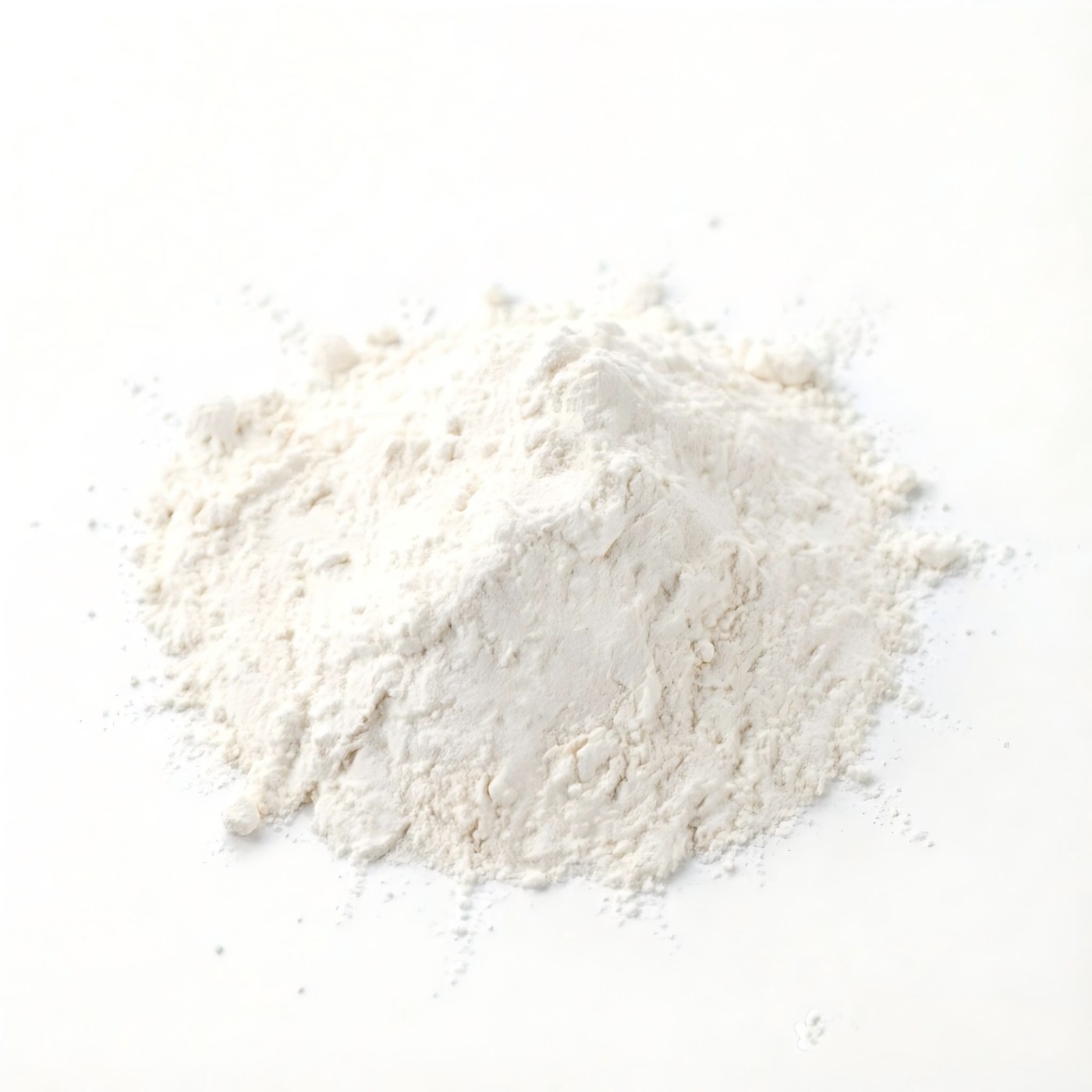
| Appearance | White crystalline powder |
| Assay (Technical Grade) | ≥99.0% |
| Solubility | Soluble in water |
| Lead Content | Approximately 54.5% |
Specifications
Lead acetate is supplied as a technical-grade crystalline reagent suitable for mineral processing applications requiring a soluble Pb²⁺ activation source. Its high water solubility enables rapid dissolution and controlled addition into flotation circuits.
Storage & Handling
Store lead acetate in tightly sealed containers in a cool, dry and well-ventilated area protected from moisture. Avoid contact with incompatible materials and prevent environmental release.
As a toxic lead compound with potential health hazards, lead acetate requires strict occupational safety procedures. Operators should use appropriate personal protective equipment including chemical-resistant gloves, safety goggles and respiratory protection during handling.
Spilled material should be collected carefully, avoiding dust generation, and disposed of according to applicable hazardous waste management regulations.
Advantages / Limitations
Advantages
Highly soluble Pb²⁺ source enabling rapid mineral surface activation.
Proven activation performance in anatase and rutile flotation with TiO₂ recovery exceeding 80%.
Effective for cassiterite activation through Pb-based surface modification.
Well-established activation chemistry across oxide and sulfide mineral systems.
Limitations
High toxicity requires strict handling and environmental control procedures.
Lead contamination risks require downstream concentrate management.
Higher cost compared with some alternative lead salts in certain applications.
Activation efficiency depends on pH control, mineral composition and conditioning conditions.
Summary
Lead acetate (CAS 301-04-2) is a proven Pb²⁺ activation reagent for titanium minerals, cassiterite and cerussite flotation systems. Its primary role is providing soluble lead ions that modify mineral surfaces, improve collector adsorption and enhance flotation performance.
With demonstrated application in anatase beneficiation, rutile flotation and tin oxide activation, lead acetate remains a reliable reagent for mineral processing operations requiring controlled lead activation chemistry. Due to its toxicity, proper handling procedures and environmental management are essential for safe industrial application.
Lead Acetate – FAQ
Q1. How does Lead Acetate function as an activator in mineral flotation applications?
Lead Acetate is a lead-based flotation activator that can be used in selected mineral processing systems to modify mineral surface properties and improve collector adsorption. Lead ions released from Lead Acetate under suitable pulp conditions may interact with mineral surfaces and influence flotation response, particularly in sulfide-associated mineral systems. Its effectiveness depends on ore mineralogy, oxidation state, pulp chemistry, and reagent compatibility. Laboratory flotation testing is recommended to determine suitable dosage, conditioning conditions, and potential improvements in recovery and selectivity.
Q2. How should Lead Acetate dosage be optimized in gold flotation operations?
The optimal Lead Acetate dosage in gold flotation depends on gold occurrence, associated sulfide minerals, oxidation degree, and the selected collector system. Appropriate dosage may enhance mineral surface activity and improve collector interaction, while excessive addition may negatively affect selectivity or increase reagent consumption. Optimization is normally carried out through laboratory flotation tests by evaluating gold recovery, concentrate grade, mineral separation efficiency, pulp conditions, and reagent compatibility. Industrial application should be adjusted according to ore variability and flotation circuit requirements.
Q3. What is the activation mechanism of Lead Acetate in arsenic-bearing gold ore flotation?
In arsenic-bearing gold flotation systems, Lead Acetate may contribute to mineral surface modification through lead ion interaction with sulfide-associated minerals such as arsenopyrite. This interaction can influence surface characteristics and collector adsorption behavior under suitable flotation conditions. However, the actual activation effect depends on arsenic mineral composition, oxidation level, mineral liberation, and pulp chemistry. Metallurgical evaluation using representative ore samples is necessary to determine suitable dosage, maintain flotation selectivity, and balance gold recovery with concentrate quality requirements.
Q4. How does Lead Acetate influence sulfide mineral flotation and polymetallic ore separation?
Lead Acetate may be applied in certain sulfide and polymetallic flotation systems where lead-based activation is required to improve mineral surface response. The released lead species can affect mineral surface chemistry, collector adsorption, and flotation selectivity. Its practical performance depends on mineral composition, oxidation conditions, pulp pH, and reagent sequence. Laboratory testing should evaluate recovery, concentrate grade, selectivity, and interaction with collectors, depressants, and other modifiers before introducing Lead Acetate into industrial flotation circuits.
Q5. How does Lead Acetate concentration affect flotation pulp chemistry and mineral activation performance?
Lead Acetate concentration influences flotation behavior by controlling the availability of lead ions for mineral surface reactions. Changes in concentration may affect collector adsorption, mineral activation efficiency, and separation performance. During process optimization, parameters such as pH, oxidation-reduction potential (ORP), conditioning time, and flotation response should be monitored together. The suitable concentration range varies according to ore characteristics, water chemistry, and the complete reagent system. Laboratory verification is recommended before scale-up to determine stable operating conditions.
Q6. Can Lead Acetate be applied in oxide and partially oxidized mineral flotation systems?
Lead Acetate can be evaluated in certain oxide and partially oxidized mineral flotation systems where surface modification is required to improve collector response. Its effectiveness depends on mineral structure, oxidation degree, associated sulfide content, and flotation chemistry. In some cases, lead species may help create more favorable surface conditions for mineral recovery, but results are highly dependent on ore characteristics. Mineralogical analysis and laboratory flotation testing are recommended to determine whether Lead Acetate provides practical benefits for a specific deposit.
Q7. How should Lead Acetate activation performance be evaluated under high-calcium or high-salinity water conditions?
The stability of Lead Acetate performance under different water chemistry conditions should be evaluated using actual process water or simulated plant conditions. Dissolved calcium, magnesium, salts, and other ions may influence lead species behavior, mineral surface reactions, and collector adsorption. Evaluation should include mineral recovery, concentrate quality, reagent consumption, pulp stability, and flotation selectivity. Site-specific testing helps determine whether Lead Acetate can maintain consistent activation performance under actual mining operation environments.
Q8. What is the difference between Lead Acetate and Lead Oxide in flotation activation applications?
Lead Acetate and Lead Oxide are both lead-containing activators, but they differ in chemical form, dissolution behavior, and interaction characteristics in flotation systems. Lead Acetate generally provides more readily available lead ions in aqueous solutions, while Lead Oxide dissolution is more dependent on pulp chemistry and operating conditions. The selection between these reagents depends on ore mineralogy, process requirements, water chemistry, and flotation objectives. Comparative laboratory testing is recommended to evaluate recovery, selectivity, reagent efficiency, and operational suitability.
Q9. How can Lead Acetate be applied in critical mineral flotation processes such as tungsten, tin, and antimony recovery?
Lead Acetate may be considered in selected critical mineral flotation applications where lead-based surface activation can improve collector interaction or mineral separation performance. In tungsten, tin, antimony, and related mineral systems, its effectiveness depends on mineral composition, oxidation conditions, associated gangue minerals, and flotation reagent schemes. Application should be supported by mineralogical analysis and laboratory testing to establish suitable dosage and operating parameters. Evaluation should focus on recovery improvement, concentrate quality, selectivity, and compatibility with the complete processing flowsheet.
Q10. What are the key considerations when using Lead Acetate as a flotation activator?
When using Lead Acetate as a flotation activator, important considerations include mineralogy, dosage control, pulp chemistry, reagent compatibility, environmental management, and operational safety requirements. Effective application requires controlled metallurgical testing to understand mineral surface interactions and optimize flotation conditions. Key performance indicators include recovery, grade, selectivity, and reagent consumption. Since Lead Acetate is a lead-containing chemical, appropriate handling procedures and regulatory compliance should be followed during storage, transportation, and industrial use.