


PANDA 1100 Acid Mist Suppressant for Copper Electrowinning
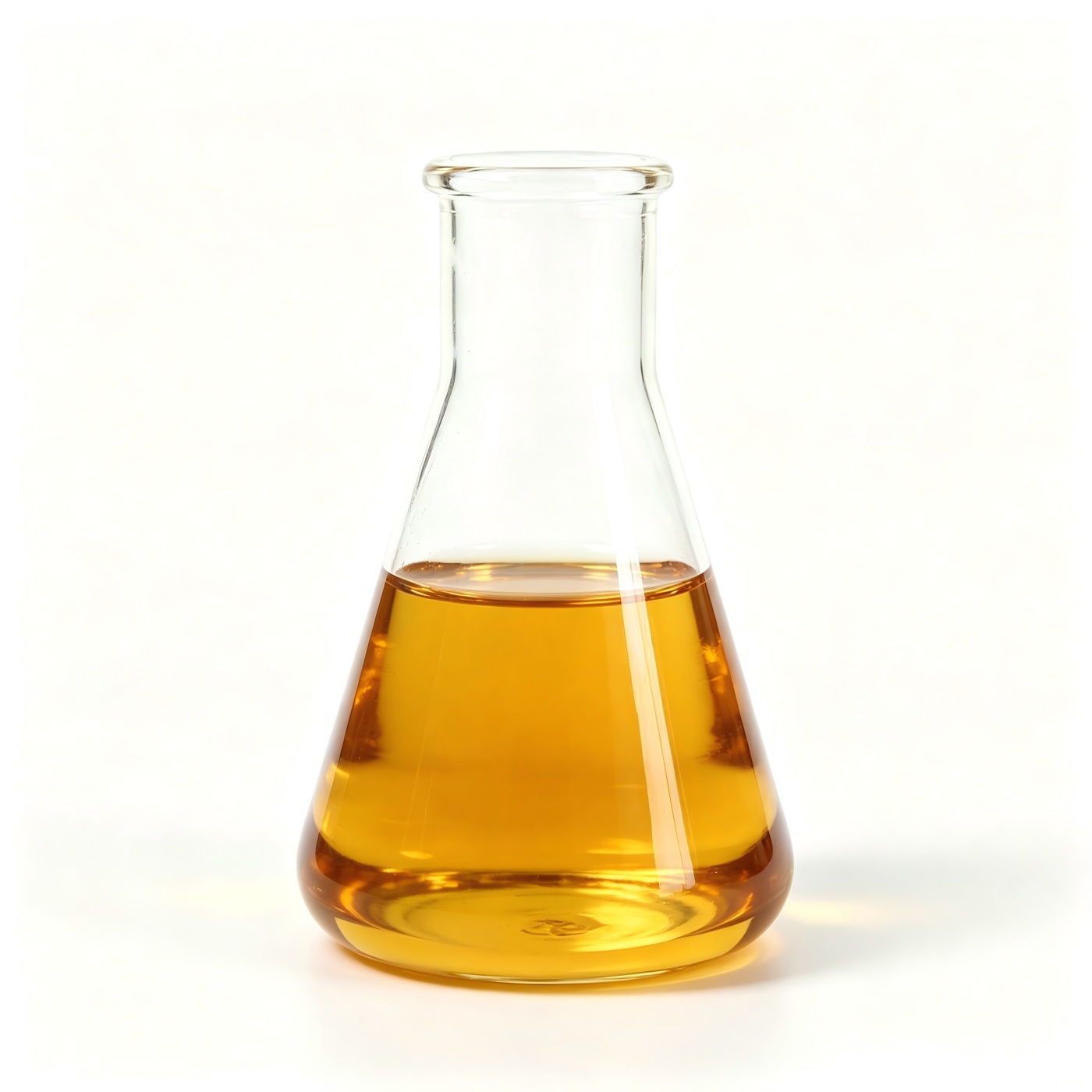
PANDA 1100 is a fluorochemical-based acid mist suppressant developed by FKN for copper electrowinning (EW) tankhouses in solvent extraction–electrowinning (SX-EW) hydrometallurgical operations. Formulated as a direct equivalent to the widely referenced FC-1100 grade, it is dosed directly into the acidic electrolyte to suppress sulfuric acid aerosol generated during oxygen bubble release at the electrolyte surface. With a typical working concentration of approximately 10 ppm, PANDA 1100 is designed for continuous industrial application while maintaining a low-foam operating profile.
Application Scope
PANDA 1100 is primarily intended for copper electrowinning tankhouses processing pregnant leach solution from oxide copper heap or dump leaching. It is suitable for continuous operation in large-scale SX-EW plants and can be applied as a standalone chemical mist-control measure or together with physical floating barriers such as polypropylene macrospheres.
The product can also be evaluated for other non-ferrous metal electrowinning circuits and electronic etching operations where corrosive acid mist is generated. For applications outside standard copper EW conditions, such as very high current density zinc or manganese circuits, laboratory bottle tests or controlled cell tests should be conducted before industrial dosing.
Mechanism
PANDA 1100 is a perfluorobetaine-type zwitterionic (amphoteric) surfactant. When introduced into the acidic electrolyte, it accumulates at the gas–liquid interface and lowers the surface tension of the electrolyte.
During copper electrowinning, oxygen evolves at the anode and rises through the electrolyte. When oxygen bubbles reach the surface and rupture, fine sulfuric acid droplets can become airborne. PANDA 1100 modifies the bubble rupture behavior at the electrolyte surface, reducing the formation and release of these fine acid aerosols.
Unlike foam-blanket suppressants, PANDA 1100 is designed to operate without forming a stable foam layer. This low-foam behavior supports practical electrolyte handling and is intended to avoid adverse effects on phase separation in downstream SX equipment.
Physicochemical Properties
| Property | Description |
|---|---|
| Chemical type | Perfluorobutyl betaine zwitterionic surfactant (fluorochemical) |
| Physical form | Amber transparent liquid |
| Solubility | Miscible with water in all proportions |
| Application form | Direct dosing into copper electrowinning electrolyte |
Specifications
| Item Description | Specification |
|---|---|
| Chemical type | Perfluorobutyl betaine zwitterionic surfactant (fluorochemical) |
| Physical form | Amber transparent liquid |
| Solubility | Miscible with water in all proportions |
| Typical working concentration in copper electrolyte | Approximately 10 ppm |
| Equivalent grade reference | FC-1100 class |
The approximately 10 ppm concentration is a typical working reference for copper electrolyte. The optimized dosing rate may require adjustment according to the specific tankhouse's acid concentration, temperature, current density, and other operating conditions. Site-specific testing is recommended when establishing the final working concentration.
Storage & Handling
Store PANDA 1100 in a sealed container in a cool, ventilated, dry warehouse away from direct sunlight. Standard industrial chemical handling procedures should be followed during storage, transfer, and dosing.
Personnel handling the product should wear chemical-resistant gloves, eye protection, and appropriate protective clothing. Avoid contact with strong oxidizers. For detailed requirements concerning safe handling, spillage response, disposal, and storage conditions, refer to the applicable Safety Data Sheet (SDS).
Advantages / Limitations
Advantages
Designed for acid mist suppression in copper electrowinning tankhouses.
Typical working concentration of approximately 10 ppm supports low-concentration continuous dosing.
Water-miscible liquid enables direct dosing without a separate pre-mixing step.
Low-foam operating behavior avoids reliance on a stable foam blanket.
Suitable for continuous application in large-scale SX-EW operations.
Can be evaluated together with polypropylene macrospheres and other physical floating barriers.
Limitations
PANDA 1100 is a fluorochemical (PFAS-class) product and may not be suitable for projects operating under applicable PFAS restrictions or fluorochemical-use requirements.
Applications outside standard copper EW conditions, including very high current density zinc or manganese circuits, should be confirmed through laboratory bottle or controlled cell testing before industrial dosing.
The optimized working concentration may vary according to sulfuric acid concentration, electrolyte temperature, current density, and other tankhouse operating conditions.
Where fluorochemical use is restricted by project specifications or applicable environmental requirements, a suitable non-fluorinated acid mist suppressant should be considered instead.
Summary
PANDA 1100 is a fluorochemical acid mist suppressant for copper electrowinning tankhouses in SX-EW hydrometallurgical operations. Its perfluorobetaine-type zwitterionic surfactant reduces surface tension at the electrolyte gas–liquid interface, helping suppress fine sulfuric acid aerosol generated when oxygen bubbles rupture. With a typical working concentration of approximately 10 ppm, direct water-miscible dosing, and low-foam behavior, it is designed for continuous industrial use. Final dosage and suitability should be confirmed against the tankhouse's electrolyte chemistry, temperature, current density, process configuration, and applicable environmental requirements.
Acid mist suppressant for copper electrowinning – FAQ
Q1. Is this acid mist suppressant suitable for copper SX-EW operations?
Acid mist suppressant is primarily used in the electrowinning stage of copper hydrometallurgical operations, including conventional leach–solvent extraction–electrowinning (SX-EW) circuits. It can be evaluated for electrolytes generated from oxide copper ores and from suitable secondary or sulfide copper leaching circuits. Actual performance depends on electrolyte composition, operating temperature, current density, ventilation conditions, and surface agitation in the cells. Before plant-scale application, laboratory or pilot-scale testing is recommended to confirm compatibility with the specific electrolyte and to establish an appropriate addition rate without adversely affecting cathode quality or cell operation.
Q2. How should the initial dosage of acid mist suppressant be determined?
The initial dosage should be established from controlled testing rather than calculated solely from electrolyte circulation volume. A practical evaluation normally starts with the manufacturer's recommended trial range and compares several addition levels under representative electrowinning conditions. Important variables include sulfuric acid concentration, copper concentration, electrolyte temperature, current density, electrolyte circulation rate, and ventilation. Acid mist concentration and cell operating observations should be recorded before and after dosing. The selected working dosage should provide the required mist-control performance while minimizing excessive foaming or other operational effects. Plant trials should be conducted progressively, with the final dosage confirmed from measured site performance.
Q3. Where should acid mist suppressant be added to the copper electrowinning circuit?
The addition point should provide rapid and uniform distribution throughout the circulating electrolyte before the solution enters the electrowinning cells. In many circuits, controlled dosing into an electrolyte circulation or return line can provide better mixing than localized addition directly into an individual cell. The actual location should be selected according to the plant's piping arrangement, circulation rate, residence time, and dosing equipment. A suitable injection point should also avoid creating excessive local concentrations. During commissioning, operators should verify distribution by monitoring cell performance and, where practical, comparing electrolyte samples from representative points in the circulation system.
Q4. Can acid mist suppressant be continuously dosed with a metering pump?
Yes. Continuous dosing with a metering pump can be considered when the plant requires relatively stable acid mist control over extended electrowinning operation. Continuous addition generally allows the chemical concentration to be maintained more consistently than intermittent manual dosing, particularly where electrolyte throughput and operating conditions fluctuate. The dosing rate should be established from plant trials and adjusted according to electrolyte circulation, operating conditions, measured mist levels, and chemical consumption. The dosing system should provide adequate control over low flow rates and should be constructed from materials compatible with the chemical and acidic electrolyte environment. Periodic verification of actual dosing rate is recommended.
Q5. How can operators determine whether increased acid mist is caused by insufficient suppressant dosage or ventilation problems?
Both chemical dosing and ventilation should be evaluated before changing the suppressant dosage. Operators can compare acid mist measurements at consistent locations while recording electrolyte temperature, current density, circulation conditions, suppressant addition rate, and ventilation operating status. A sudden increase in mist accompanied by unchanged chemical dosing but abnormal airflow, exhaust performance, or local air movement may indicate a ventilation issue. Conversely, a gradual increase associated with reduced chemical concentration or inadequate replenishment may indicate insufficient dosing. Monitoring should use consistent measurement methods and locations so that changes can be compared reliably. Chemical adjustment should not be used as a substitute for correcting defective ventilation.
Q6. Does acid mist suppressant affect copper cathode surface quality, purity, or stripping performance?
Potential effects on cathode quality should be evaluated for the specific electrolyte and operating conditions because surface-active chemicals can influence interfacial behavior during electrowinning. Relevant observations include cathode appearance, surface roughness, nodulation, deposit uniformity, stripping behavior, and, where required, cathode chemical composition. A laboratory or pilot test can compare a control electrolyte with several suppressant concentrations while maintaining the same current density, temperature, electrolyte composition, and deposition time. The working concentration should be selected only after confirming that acid mist control is achieved without unacceptable changes in cathode morphology or operating performance.
Q7. Can acid mist suppressant be used with high-acidity or high-copper electrowinning electrolytes?
High-acidity and high-copper electrolytes require application-specific compatibility testing because electrolyte chemistry can influence surface tension, gas bubble behavior, chemical stability, and mist formation. The suppressant should therefore be evaluated under the actual or representative operating range rather than assuming that performance observed in a different electrolyte will be identical. Testing should consider sulfuric acid concentration, copper concentration, temperature, current density, circulation rate, and relevant impurities such as iron, manganese, cobalt, and chloride. A staged dosage test can help identify the concentration range that provides effective mist control while maintaining stable cell operation and acceptable cathode deposition characteristics.
Q8. Can acid mist suppressant be used together with polypropylene balls or other mechanical mist-control barriers?
Chemical suppression and mechanical surface barriers can be evaluated as complementary approaches to acid mist control. Polypropylene balls or other floating materials can physically reduce direct electrolyte exposure and influence gas bubble release, while an acid mist suppressant acts through modification of the electrolyte surface behavior. When the two approaches are combined, the chemical dosage should not automatically be increased. Excessive dosing may increase foaming or complicate cell-surface operation. A controlled trial should compare the mechanical barrier alone, chemical suppressant alone, and combined system while monitoring acid mist, foam behavior, cathode quality, cell voltage, and operating conditions.
Q9. How can a copper electrowinning plant evaluate the effectiveness of acid mist suppressant?
Effectiveness should be evaluated using measured site data rather than visual observations alone. A practical assessment can establish a baseline under stable operating conditions and then compare acid mist levels after controlled changes in suppressant dosage. Measurements should be taken at consistent locations using the plant's applicable occupational or environmental monitoring method. At the same time, operators should record electrolyte temperature, acid and copper concentrations, current density, ventilation conditions, circulation rate, and dosing rate. The results can then be used to develop a site-specific relationship between operating conditions, suppressant dosage, and measured acid mist. This approach provides a more reliable basis for optimizing continuous dosing.
Q10. What laboratory tests are recommended before introducing acid mist suppressant into a copper electrowinning plant?
Laboratory evaluation should reproduce the key operating conditions of the intended electrowinning circuit as closely as practical. Testing can include a control group without suppressant and several dosage levels under consistent electrolyte composition, temperature, current density, deposition time, and circulation conditions. Acid mist or related surface behavior should be monitored together with foam formation, cell voltage, current efficiency where measurable, and cathode morphology. Additional compatibility testing may be appropriate when the electrolyte contains significant impurities or entrained organic extractant. The purpose of the test is to identify an effective operating range and confirm that mist suppression does not create unacceptable effects on cathode quality or normal cell operation.