


Lead Oxide: An Effective Activator for Oxidized Lead Mineral Flotation
Application Scope
Lead oxide (PbO) serves as a source of Pb²⁺ ions in mineral flotation circuits, functioning primarily as an activator for oxidized lead minerals. Its main application is in oxidized lead ore beneficiation, particularly for cerussite (PbCO₃) and anglesite (PbSO₄) flotation.
During oxidized lead mineral processing, dissolved Pb²⁺ ions enhance surface activation and improve collector adsorption. In lead oxide ore treatment from Yunnan Province, combined activation systems achieved lead total recovery of 90.12% and silver recovery of 92.73%. Micro-flotation studies showed that Pb²⁺ pretreatment increased cerussite recovery by 17.57% compared with sodium sulfide treatment alone by improving xanthate adsorption stability on mineral surfaces.
A second application is in complex copper-lead oxide ore flotation, where lead activation supports selective separation of oxidized lead minerals from associated copper-bearing minerals. In refractory Cu-Pb oxide ores with oxidation rates up to 72%, lead oxide-related activation systems are applied together with sulfide reagents to improve lead mineral flotation response.
Beyond lead oxide ore processing, Pb²⁺ ions generated from lead oxide have demonstrated activation effects on stibnite (antimony sulfide) and cassiterite (tin oxide) flotation by modifying mineral surfaces and promoting collector adsorption. These applications remain areas of developing interest.
Mechanism
Lead oxide releases Pb²⁺ ions through dissolution, enabling mineral surface activation through adsorption and surface modification reactions. Under acidic conditions (pH < 7), Pb²⁺ can replace metal ions in mineral structures or adsorb onto mineral surfaces to form PbS-related activation layers.
At moderate alkaline conditions (pH 7–10), Pb(OH)⁺ species contribute to chemical adsorption and formation of Me–O–Pb⁺ surface complexes. Under higher alkalinity (pH 10–11), Pb(OH)₂ precipitation may occur on mineral surfaces.
For oxidized lead minerals such as cerussite, Pb²⁺ activation creates additional active sites for xanthate chemisorption, producing a more stable hydrophobic surface layer and improving flotation response.
Physicochemical Properties
| Parameter | Specification |
|---|---|
| CAS Number | 1317-36-8 |
| Molecular Formula | PbO |
| Molecular Weight | 223.20 g/mol |
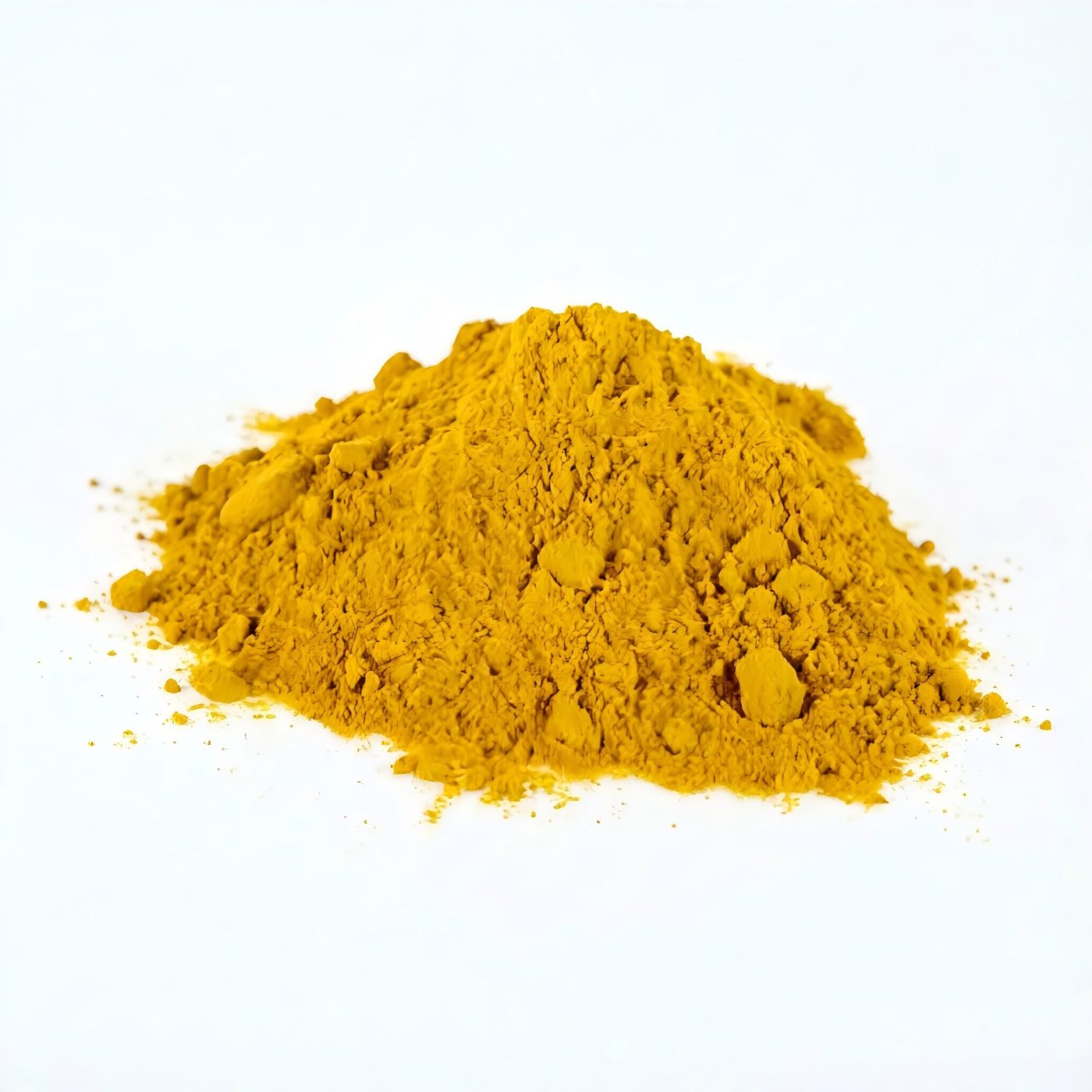
| Appearance | Yellow to reddish-yellow powder |
| Assay (technical grade) | ≥99.0% |
| Density | 9.53 g/cm³ |
| Solubility | Practically insoluble in water; soluble in acids |
Specifications
Lead oxide is supplied as a technical-grade mineral processing reagent for applications requiring controlled Pb²⁺ release and surface activation. Its stable composition supports evaluation in laboratory flotation tests and integration into oxidized lead mineral beneficiation circuits.
Storage & Handling
Store lead oxide in tightly sealed containers in a cool, dry, and well-ventilated warehouse. Protect the material from moisture and prevent dust formation during handling.
Lead oxide is highly toxic and classified as a potential human carcinogen. Operators must use appropriate personal protective equipment, including chemical-resistant gloves, safety goggles, and respiratory protection. Spilled material should be carefully collected and disposed of as hazardous waste according to applicable regulations.
Advantages / Limitations
Advantages
Effective Pb²⁺ source for cerussite and oxidized lead mineral activation.
Improves xanthate adsorption stability and flotation response of oxidized lead minerals.
Demonstrated performance in oxidized lead ore beneficiation with lead recovery exceeding 90%.
Provides surface activation effects across multiple mineral flotation systems.
Limitations
High toxicity requires strict safety management and environmental controls.
Lead content in concentrates may require additional downstream treatment considerations.
Natural Pb²⁺ release from oxidized ores during grinding may unintentionally activate sphalerite and affect selective separation.
May have higher reagent cost compared with some soluble lead salts in specific applications.
Summary
Lead oxide (CAS 1317-36-8) is a mineral flotation activator based on controlled Pb²⁺ ion release, primarily applied in oxidized lead ore beneficiation. Its main value lies in cerussite activation, where Pb²⁺ surface modification improves xanthate adsorption and flotation recovery.
With demonstrated application in oxidized lead circuits and potential use in copper-lead oxide, stibnite, and cassiterite flotation systems, lead oxide remains an effective activation reagent for specialized mineral processing operations. Due to its toxicity, careful handling procedures and environmental management are essential for safe application.
Lead Oxide – FAQ
Q1. How does Lead Oxide function as an activator in mineral flotation applications?
Lead Oxide can be evaluated as a lead-based mineral activator in specific flotation systems where surface modification is required to improve collector adsorption and mineral response. Lead species released under suitable pulp conditions may interact with mineral surfaces and influence flotation behavior, particularly in sulfide-associated mineral systems. Its effectiveness depends on mineralogy, oxidation state, pulp chemistry, particle size, and reagent compatibility. Laboratory flotation testing is recommended to determine suitable dosage, conditioning conditions, and potential improvements in recovery and selectivity.
Q2. How should Lead Oxide dosage be optimized in gold flotation operations?
The optimal dosage of Lead Oxide in gold flotation depends on gold occurrence, associated sulfide minerals, oxidation degree, and the selected collector system. Appropriate dosage may enhance mineral surface activity and improve collector interaction, while excessive addition may reduce selectivity or increase reagent consumption. Optimization is normally conducted through bench-scale flotation tests by evaluating gold recovery, concentrate grade, mineral separation efficiency, pulp chemistry, and reagent interactions. Industrial dosage should be adjusted according to ore variability and process conditions.
Q3. What is the activation mechanism of Lead Oxide in arsenic-bearing gold ore flotation?
In arsenic-bearing gold flotation systems, Lead Oxide may contribute to mineral surface modification by providing lead species that interact with sulfide-associated minerals such as arsenopyrite under suitable conditions. This interaction can influence surface properties and collector adsorption behavior, potentially improving flotation response. However, the actual performance depends on arsenic mineral composition, oxidation level, liberation size, and pulp chemistry. Metallurgical testing using representative ore samples is necessary to evaluate gold recovery, arsenic distribution, concentrate quality, and reagent selectivity.
Q4. How does Lead Oxide influence the flotation performance of sulfide minerals and polymetallic ores?
Lead Oxide may be applied in certain sulfide and polymetallic flotation systems where lead-based activation is required to modify mineral surface characteristics. Its influence is related to lead ion availability, mineral surface reactions, collector adsorption, and pulp conditions. The performance can vary significantly depending on ore composition, oxidation degree, and reagent sequence. Laboratory flotation testing should evaluate recovery, concentrate grade, selectivity, and compatibility with collectors, depressants, and other modifiers before considering industrial application.
Q5. How does Lead Oxide concentration affect flotation pulp chemistry and mineral activation behavior?
Lead Oxide concentration can influence flotation behavior by affecting the availability of lead species in the pulp and their interaction with mineral surfaces. Changes in concentration may impact collector adsorption, mineral activation efficiency, and separation selectivity. During process optimization, parameters such as pH, oxidation-reduction potential (ORP), conditioning time, and flotation performance should be monitored together. The suitable concentration depends on ore characteristics, water chemistry, and the complete reagent system, making laboratory evaluation essential before scale-up.
Q6. Can Lead Oxide be used in the flotation of oxide and partially oxidized minerals?
Lead Oxide may be evaluated in flotation systems involving oxide or partially oxidized minerals where surface modification is required to improve mineral response. Its effectiveness depends on mineral structure, oxidation degree, associated sulfide content, and collector chemistry. In some mineral systems, lead species may assist in creating more favorable surface conditions for flotation, but the results are highly ore-specific. Mineralogical analysis and laboratory flotation testing are recommended to determine whether Lead Oxide provides practical benefits for a particular deposit.
Q7. How should Lead Oxide activation performance be evaluated under different water chemistry conditions?
The performance stability of Lead Oxide under different water chemistry conditions should be evaluated using representative process water or simulated plant conditions. Factors such as calcium, magnesium, dissolved salts, pH, and other ions may influence lead species behavior and mineral surface interactions. Evaluation should include recovery, concentrate quality, reagent consumption, pulp stability, and flotation selectivity. Site-specific testing helps determine whether Lead Oxide can provide consistent activation performance under actual mining operation conditions.
Q8. What is the difference between Lead Oxide and Lead Nitrate in mineral flotation activation applications?
Lead Oxide and Lead Nitrate are both lead-based reagents that may provide lead species for mineral surface modification, but they differ in chemical form, dissolution behavior, and interaction with flotation systems. Lead Nitrate generally provides more readily available lead ions in aqueous conditions, while Lead Oxide dissolution depends more strongly on pulp chemistry and operating conditions. The appropriate reagent selection depends on ore characteristics, process requirements, and metallurgical objectives. Comparative flotation testing is recommended to evaluate recovery, selectivity, and reagent efficiency.
Q9. How can Lead Oxide be applied in critical mineral flotation processes such as tungsten, tin, and antimony recovery?
Lead Oxide may be considered in selected critical mineral flotation applications where surface activation is required to improve collector interaction or mineral separation performance. In tungsten, tin, antimony, and related mineral systems, its effectiveness depends on mineral composition, oxidation conditions, gangue characteristics, and flotation chemistry. Application should be supported by mineralogical analysis and laboratory testing to determine suitable dosage and operating parameters. Evaluation should focus on recovery improvement, concentrate quality, selectivity, and compatibility with the complete flotation flowsheet.
Q10. What are the key considerations when using Lead Oxide as a flotation activator?
When using Lead Oxide as a flotation activator, important considerations include mineralogy, reagent dosage control, pulp chemistry, environmental management, and compatibility with existing flotation reagents. Effective application requires controlled testing to understand mineral surface interactions and optimize process conditions. Parameters such as recovery, grade, selectivity, and reagent consumption should be monitored during development and industrial operation. Because lead-containing reagents require appropriate handling and regulatory compliance, mining operations should implement suitable safety and environmental management practices.