


PANDA312 Flotation Depressant for Copper Lead Ore Separation
Brief Introduction
PANDA312 is a flotation depressant engineered for copper-lead ore separation operations in polymetallic sulfide mineral processing plants. Copper-lead mixed ores commonly face challenges including concentrate cross-contamination, reduced concentrate quality and loss of valuable associated metals.
As a selective galena suppression reagent, PANDA312 minimizes lead mineral flotation interference during copper recovery circuits. It helps reduce lead contamination in copper concentrate while supporting the preservation of associated gold and silver values contained in copper-bearing concentrate streams.
With good water solubility and convenient preparation characteristics, PANDA312 is suitable for mining concentrators, flotation reagent distributors and bulk industrial users processing complex copper-lead sulfide ore feeds.
Application Scope
PANDA312 is applied in selective flotation and bulk flotation separation processes for copper-lead sulfide ores. It functions as a lead depressant during copper flotation circuits where galena suppression is required.
Copper-lead bulk flotation separation: used after copper-lead bulk concentrate production to selectively depress lead minerals during subsequent separation stages.
Direct selective flotation of copper-lead complex sulfide ores: helps copper-bearing minerals float preferentially by reducing galena flotation activity.
Polymetallic sulfide ore processing: suitable for concentrators requiring improved separation selectivity between copper and lead mineral streams.
The reagent is mainly used to reduce lead impurity in copper concentrate and assist in maintaining recovery value of associated gold and silver contained in copper concentrate products.
Mechanism
PANDA312 functions as a selective flotation depressant through surface modification of galena particles. The reagent adsorbs onto galena mineral surfaces and changes their surface properties, increasing hydrophilicity and reducing their ability to attach to air bubbles during flotation.
During copper flotation, copper-bearing minerals remain available for bubble attachment and recovery into the froth product. By selectively suppressing galena flotation behavior, PANDA312 reduces copper-lead concentrate contamination and improves separation efficiency.
The depressing effect also supports the retention of associated gold and silver values within copper concentrate streams for downstream recovery processes.
Physicochemical Properties
| Item | Specification |
|---|---|
| Product Type | Flotation depressant |
| Target Mineral | Galena suppression in copper-lead sulfide flotation |
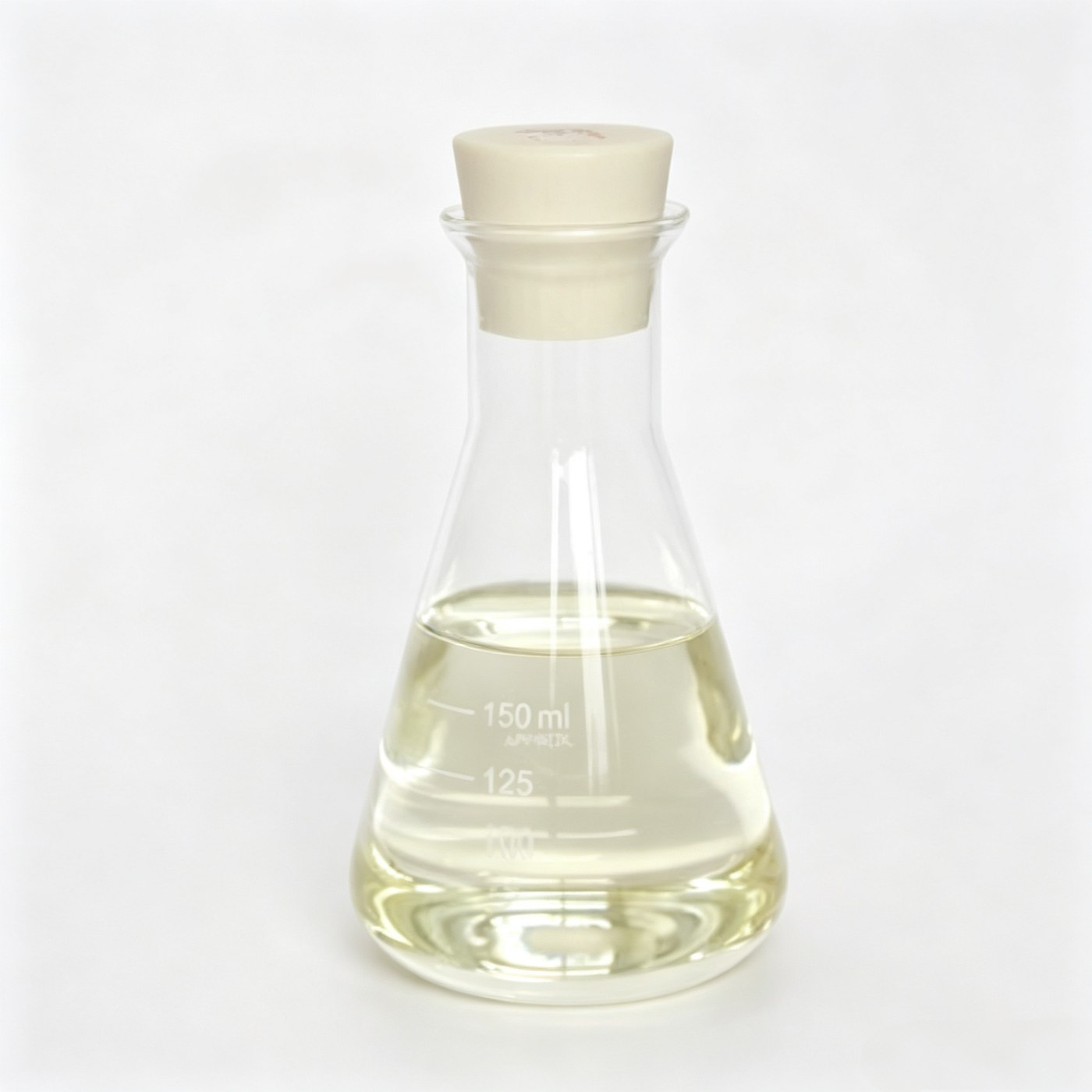
| Appearance | Pale yellow transparent liquid |
| Density | 1.23~1.28 g/mL |
| Relative Density (Water=1) | 1.2 |
| pH Value | 3~4 |
| Solubility | Highly soluble in water; insoluble in ethanol, diethyl ether and tetrahydrofuran (THF) |
Specifications
PANDA312 technical parameters are designed for industrial flotation application and reagent preparation requirements.
| Technical Item | Specification |
|---|---|
| Depressant Dosage (Raw Ore) | 50~150 g/t |
| Depressant Dosage (Bulk Concentrate) | 5000~9000 g/t |
| Solvent Compatibility | Water-based preparation only |
Storage & Handling
Store PANDA312 in a cool, shaded and well-ventilated warehouse. Keep containers tightly sealed during storage and transportation to maintain product stability.
Avoid mixing with alkaline flotation reagents.
Prevent direct contact with skin and eyes.
Follow MSDS instructions before handling and dosing operations.
Wear suitable personal protective equipment including chemical-resistant gloves and protective eyewear.
Avoid discharge of undiluted reagent into the environment.
Advantages / Limitations
Advantages
Selective galena depression for copper-lead sulfide ore flotation separation.
Reduces lead contamination in copper concentrate products.
Supports recovery value retention of associated gold and silver in copper concentrate streams.
High water solubility enables convenient reagent preparation and on-site dosing.
Provides practical dosage references for both raw ore and bulk concentrate treatment conditions.
Limitations
Flotation performance depends on ore mineralogy, pulp conditions and compatibility with other flotation reagents.
Higher dosage requirements may occur when treating bulk concentrate compared with raw ore.
The product is insoluble in common organic solvents and requires water-based preparation.
Proper pulp pH control is required to maintain effective galena depressing performance.
Summary
PANDA312 is a specialized flotation depressant for copper-lead sulfide ore separation, providing selective galena suppression during copper flotation operations. By reducing copper-lead concentrate contamination and supporting associated gold and silver value retention, it helps mining operations improve flotation selectivity and concentrate quality.
With clear dosage guidance, strong water solubility and compatibility with industrial flotation workflows, PANDA312 is suitable for concentrators and mining reagent supply chains requiring stable copper-lead separation performance.
Copper-lead Depressant – FAQ
Q1. What types of copper-lead-zinc polymetallic ores are suitable for Copper-lead Depressant?
Copper-lead Depressant is mainly applied in the selective flotation separation of copper and lead minerals from polymetallic sulfide ores, especially copper-lead-zinc deposits where selective depression of lead or copper-bearing minerals is required during the separation stage. Its suitability depends on ore mineralogy, liberation size, sulfide mineral composition, gangue characteristics, and existing flotation flowsheet conditions. Laboratory flotation tests are recommended to determine the optimal reagent dosage, conditioning time, and compatibility with collectors and other flotation reagents before industrial implementation.
Q2. How does Copper-lead Depressant improve copper-lead separation flotation performance?
Copper-lead Depressant improves selective flotation separation by reducing the floatability of targeted minerals while allowing valuable minerals to maintain better recovery performance under controlled flotation conditions. In copper-lead mixed concentrate separation, its effectiveness depends on mineral surface properties, reagent adsorption behavior, pulp chemistry, and pH conditions. Proper optimization of dosage, conditioning sequence, and flotation time can help improve concentrate selectivity, reduce unwanted metal contamination, and support stable downstream metallurgical processing.
Q3. What are the advantages of Copper-lead Depressant compared with traditional depressants such as dichromate and cyanide-based reagents?
Compared with traditional inorganic depressants such as potassium dichromate and cyanide-based reagents, Copper-lead Depressant is developed to provide an alternative approach for selective mineral depression with improved process management considerations. The actual performance depends on ore characteristics and flotation conditions. In practical applications, reagent selection should consider metallurgical performance, environmental requirements, operator safety, and downstream treatment compatibility. Laboratory and pilot-scale testing are necessary to evaluate recovery, selectivity, reagent consumption, and overall process suitability.
Q4. How should the optimal dosage and addition point of Copper-lead Depressant be determined?
The optimal dosage and addition point of Copper-lead Depressant should be determined through systematic flotation testing and process evaluation. Important factors include mineral liberation size, pulp density, pH value, collector type, conditioning time, and flotation circuit design. In many operations, reagent addition points may include conditioning tanks, rougher circuits, or cleaner stages depending on the separation objective. Stepwise dosage optimization helps avoid excessive reagent consumption while maintaining selective depression performance and stable flotation operation.
Q5. Can Copper-lead Depressant be used in high mud-content ores or complex flotation systems?
Copper-lead Depressant may be considered for complex ores containing high levels of slimes or fine particles, but its performance depends strongly on mineral surface conditions and pulp characteristics. High mud content can consume flotation reagents, increase pulp viscosity, and affect mineral-reagent interaction. Pre-desliming, dispersant application, pulp conditioning, and optimized reagent scheduling may be required to achieve stable separation performance. Mineralogical analysis and laboratory flotation evaluation are recommended before applying Copper-lead Depressant in high-slime industrial circuits.
Q6. How does Copper-lead Depressant perform under alkaline flotation conditions with pH above 10?
The performance stability of Copper-lead Depressant in alkaline flotation systems depends on reagent chemistry, mineral composition, and overall pulp conditions. Many copper-lead separation circuits operate under controlled alkaline environments using lime or other pH regulators. Excessively high pH values may influence mineral surface reactions, collector adsorption, and depressant effectiveness. Process optimization should include pH testing, reagent interaction evaluation, and flotation response analysis to determine the suitable operating range for specific ore processing conditions.
Q7. Can Copper-lead Depressant be used together with collectors such as xanthates and dithiophosphates?
Copper-lead Depressant can be evaluated in combination with commonly used flotation collectors, including xanthates and dithiophosphate-based collectors, depending on the separation objective and mineral system. The interaction between depressants and collectors directly affects mineral surface properties, selectivity, and recovery performance. Proper reagent sequence is important because premature or excessive interaction may reduce flotation efficiency. Laboratory testing should be conducted to optimize collector dosage, depressant addition order, conditioning time, and flotation conditions.
Q8. How can Copper-lead Depressant be optimized in rougher, scavenger, and cleaner flotation stages?
The application strategy of Copper-lead Depressant varies according to flotation circuit design and separation targets. In rougher stages, lower dosages may be used to establish initial selectivity, while cleaner stages may require more precise control to improve concentrate quality. Scavenger circuits may require adjustment based on residual mineral recovery requirements. Continuous monitoring of concentrate grade, recovery rate, mineral distribution, and reagent consumption helps optimize dosage allocation and maintain consistent flotation performance in industrial operations.
Q9. How does Copper-lead Depressant affect copper-lead-zinc separation flowsheet design?
In copper-lead-zinc polymetallic flotation plants, Copper-lead Depressant can influence the overall separation strategy by improving selective depression during the separation of mixed concentrates. Flowsheet design should consider mineral liberation characteristics, grinding conditions, sequential flotation order, pH control, and compatibility with zinc depression systems such as zinc sulfate or sulfite reagents. A complete evaluation should include locked-cycle flotation tests to confirm concentrate quality, metal recovery, reagent consumption, and process stability before industrial application.
Q10. What storage, handling, and preparation considerations are required for Copper-lead Depressant?
Copper-lead Depressant should be stored and prepared according to its technical specifications and safety documentation. Proper storage conditions, solution preparation procedures, mixing methods, and dosing equipment selection are important for maintaining consistent reagent performance. On-site preparation should ensure uniform dissolution or dispersion and avoid contamination from incompatible chemicals. Operators should follow recommended occupational safety practices, including appropriate personal protective equipment and chemical handling procedures, to support safe and reliable flotation plant operation.