


PANDA427 Lithium Extractant | High Li-Na Selectivity Diketone Composite Reagent
Application Scope
PANDA427 lithium extractant is a professional diketone composite solvent extraction reagent developed for alkaline high-sodium lithium recovery scenarios. It is designed to address key challenges in complex lithium extraction systems, including difficult lithium-sodium separation, sodium ion entrainment, and increased purification requirements.
The reagent is mainly applied in lithium resource recovery processes involving high-sodium alkaline environments, including salt lake brine lithium extraction, lithium-bearing mineral leachate purification, and secondary lithium resource recycling from industrial lithium-containing waste liquids and residual materials.
By providing selective lithium extraction performance under complex impurity conditions, PANDA427 supports hydrometallurgical operations requiring improved lithium enrichment efficiency and stable process control.
Mechanism
PANDA427 utilizes an optimized diketone composite formula to improve lithium ion recognition and selective extraction performance. The reagent is designed to reduce sodium ion co-extraction during solvent extraction, helping decrease the purification burden of lithium-containing solutions.
In alkaline high-sodium systems, selective lithium recovery is critical for improving downstream processing efficiency. PANDA427 helps extraction circuits achieve better lithium-sodium separation performance while maintaining stable operation under complex feed solution conditions.
Physicochemical Properties
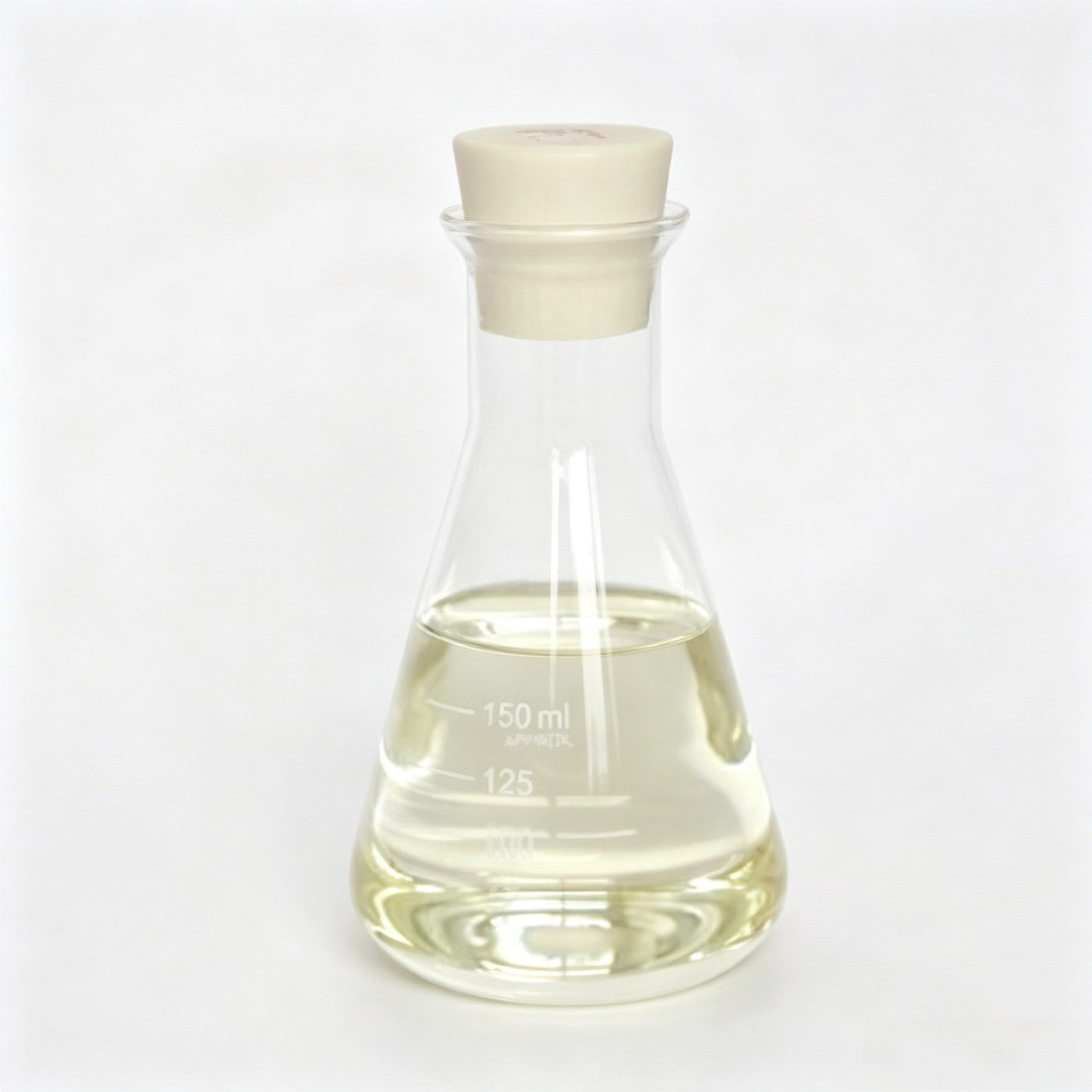
PANDA427 is supplied as a yellow oily transparent liquid with stable physical and chemical properties suitable for industrial solvent extraction applications. The reagent features effective concentration of ≥50%, specific gravity of 0.91–0.93 g/cm³ at 25℃, and closed cup flash point above 80℃.
The product demonstrates stable storage characteristics and low volatilization risk, supporting safer handling and continuous industrial extraction operations.
Specifications
| Technical Property | Specification |
|---|---|
| Appearance (Room Temperature) | Yellow oily transparent liquid |
| Effective Concentration | ≥50% |
| Specific Gravity (25℃) | 0.91–0.93 g/cm³ |
| Closed Cup Flash Point | >80 ℃ |
| Lithium Extraction Concentration (20% Dilution) | >2.5 g/L |
Storage & Handling
For long-term performance stability, PANDA427 should be stored in a sealed condition in a dry, cool, and ventilated warehouse. Proper chemical classification management is required during storage and transportation.
The reagent should not be mixed or stored together with alkaline chemical materials, as unsuitable storage conditions may affect composite reagent stability and extraction selectivity. Industrial packaging options include 200L drums and IBC ton barrels for bulk transportation, storage, and production dosing applications.
Advantages / Limitations
Advantages:
High lithium-sodium selectivity for alkaline high-sodium extraction environments.
Diketone composite formulation designed for complex lithium recovery systems.
Applicable to both primary lithium resource development and secondary lithium resource recycling.
Supports stable industrial extraction operation with reliable physical properties.
Limitations:
PANDA427 is specifically developed for alkaline high-sodium lithium extraction applications. Process selection should be based on actual lithium concentration, sodium content, and feed solution characteristics to achieve suitable extraction performance.
Summary
PANDA427 Lithium Extractant is a high-selectivity diketone composite solvent extraction reagent for lithium recovery from alkaline high-sodium systems. With selective lithium extraction capability, stable physical properties, and compatibility with salt lake brine, lithium-bearing leachate, and secondary lithium resource recovery applications, it provides a professional reagent solution for modern lithium hydrometallurgy projects.
PANDA427 Lithium Extractant – FAQ
Q1. What types of lithium resources are suitable for PANDA427 lithium extractant applications?
PANDA427 lithium extractant is designed for hydrometallurgical lithium recovery processes involving different lithium-containing resources, including salt lake brines, lithium ore leach solutions, and secondary lithium recovery streams. It can be evaluated for systems where selective lithium separation from complex aqueous solutions is required. The actual application suitability depends on lithium concentration, impurity composition, solution chemistry, and the overall process route. Laboratory solvent extraction tests are recommended to determine extraction performance, selectivity, and compatibility with specific lithium recovery projects.
Q2. How does PANDA427 lithium extractant achieve selective lithium extraction from sulfate-based systems?
PANDA427 lithium extractant is applied in solvent extraction processes where lithium ions are selectively transferred between aqueous and organic phases under controlled operating conditions. Extraction performance depends on factors including lithium concentration, competing ions, extractant concentration, phase ratio, pH, and temperature. In sulfate-based lithium recovery systems, laboratory equilibrium tests and extraction isotherm studies are typically conducted to evaluate lithium loading capacity, selectivity, and stripping behavior before designing industrial-scale extraction circuits.
Q3. Can PANDA427 lithium extractant separate lithium from sodium, potassium, magnesium, and calcium impurities?
PANDA427 lithium extractant can be evaluated for lithium recovery applications where selective separation from major salt ions such as sodium, potassium, magnesium, and calcium is required. The separation efficiency depends on the chemical composition of the feed solution, impurity concentration, extraction conditions, and process configuration. For challenging resources such as high magnesium-to-lithium ratio brines, laboratory testing is important to assess lithium selectivity and optimize operating parameters for efficient lithium recovery.
Q4. How does PANDA427 lithium extractant handle iron, aluminum, and manganese impurities in lithium leach solutions?
Iron, aluminum, and manganese impurities may affect lithium purification processes, especially when treating lithium ore leach solutions. PANDA427 lithium extractant can be evaluated as part of a purification flowsheet designed to improve lithium selectivity and reduce impurity transfer. Actual performance depends on upstream impurity removal, solution chemistry, oxidation conditions, and extraction parameters. Proper pretreatment and process optimization help maintain stable operation and improve the quality of downstream lithium products.
Q5. What are the recommended operating pH and temperature conditions for PANDA427 lithium extractant?
The optimal operating pH and temperature range for PANDA427 lithium extractant depends on the lithium source, solution composition, and required separation performance. pH control is a key factor influencing lithium extraction efficiency, impurity behavior, and stripping performance. Temperature affects extraction kinetics, organic viscosity, and phase separation characteristics. Laboratory testing is recommended to establish suitable operating conditions for each lithium recovery process rather than applying a fixed range across all applications.
Q6. How does PANDA427 lithium extractant compare with Cyanex 936, D2EHPA, and TBP?
PANDA427 lithium extractant can be compared with other lithium extraction reagents such as Cyanex 936, D2EHPA, and TBP based on lithium selectivity, extraction mechanism, loading capacity, stripping characteristics, and impurity tolerance. Different extractants may provide advantages under specific lithium resource conditions, including brine chemistry and mineral leach systems. Comparative laboratory studies, including extraction equilibrium tests and phase behavior evaluation, are commonly performed to select the most suitable extraction system for industrial lithium recovery.
Q7. How should extraction stages and organic-to-aqueous ratio be optimized for PANDA427 lithium extractant circuits?
Optimization of multi-stage counter-current extraction using PANDA427 lithium extractant requires evaluation of extraction isotherms, kinetics, phase ratio, loading capacity, and stripping efficiency. The required number of extraction stages depends on lithium concentration, impurity levels, and target recovery requirements. Engineers typically use laboratory equilibrium data, process simulation, and pilot testing to determine suitable organic-to-aqueous ratios and circuit configurations for stable lithium recovery operation.
Q8. What stripping methods are commonly used for PANDA427 lithium extractant, and how can stripping efficiency be improved?
The stripping process of PANDA427 lithium extractant depends on the extractant chemistry, lithium product requirements, and downstream recovery route. Acid stripping or water-based stripping systems may be evaluated according to the desired lithium product form and process design. Optimization involves adjusting stripping agent concentration, phase ratio, temperature, and contact time. Laboratory stripping tests are recommended to achieve effective lithium transfer while maintaining organic phase stability for continuous operation.
Q9. Can PANDA427 lithium extractant be applied to high magnesium-to-lithium ratio salt lake brines?
High magnesium-to-lithium ratio is one of the major challenges in salt lake lithium recovery because magnesium can interfere with lithium separation. PANDA427 lithium extractant can be evaluated for applications requiring selective lithium recovery from complex brine systems. Performance depends on magnesium concentration, lithium concentration, solution chemistry, and extraction conditions. Laboratory testing is important to determine lithium selectivity, magnesium behavior, and suitable process parameters for high magnesium brine applications.
Q10. What are the common causes of emulsion and third-phase formation when using PANDA427 lithium extractant?
Emulsion and third-phase formation in lithium solvent extraction circuits may result from suspended solids, organic degradation, high impurity loading, unsuitable phase ratios, or unstable operating conditions. When applying PANDA427 lithium extractant, proper feed clarification, organic phase monitoring, and optimized process control are important for maintaining stable phase separation. Laboratory phase stability tests can help identify potential risks and support the design of reliable lithium extraction circuits for continuous industrial operation.