


TOP (Trioctylphosphine) Extractant Industrial Technical Introduction
Application Scope
TOP (Trioctylphosphine) is a high-selectivity phosphorus-based coordination extractant primarily developed for precious metal refining applications. It is mainly used in advanced hydrometallurgical separation systems for gold, platinum, and palladium purification, especially in chloride refining processes involving anode mud treatment and waste catalyst recycling.
Based on its unique soft-base coordination characteristics, TOP selectively interacts with gold, platinum, and palladium chloro-complexes while minimizing interference from most base metal impurities. This selective separation capability supports high-purity precious metal grouping, improving product quality and recovery efficiency in noble metal refining operations.
TOP provides precise separation performance for high-value precious metal materials where selective purification and resource recycling are critical. Its controlled coordination behavior enables refined metal classification and supports standardized production requirements in advanced precious metal processing facilities.
As a secondary industrial application, TOP can assist trace impurity removal and fine purification in scattered metal and high-purity nickel-cobalt refining workflows. It helps remove residual precious metal micro-impurities from non-ferrous metal solutions to improve final product purity.
TOP does not have mature commercial industrial value in lithium, tungsten-molybdenum, tantalum-niobium, vanadium, manganese, or other conventional key mineral processing applications. These fields do not involve large-scale mining and smelting utilization of this extractant.
Extraction Mechanism
TOP operates through the coordination ability of phosphorus atom lone-pair electrons with soft noble metal ions. Unlike oxygen-based extractants, its soft coordination mechanism provides high selectivity toward gold, platinum, and palladium chloro-complexes in concentrated hydrochloric acid refining systems.
During extraction, TOP forms neutral lipophilic complexes with target precious metal species and transfers them from the aqueous phase into the organic phase. This mechanism enables efficient separation from base metals and impurity ions during refined hydrometallurgical processing.
The controllable coordination strength of TOP supports staged stripping and precise metal grouping, allowing flexible process adaptation for high-standard precious metal refining plants requiring selective recovery and purification.
Physicochemical Properties
TOP is a phosphorus-based liquid extractant with stable physical and chemical characteristics. Its low water solubility and coordination activity make it suitable for repeated organic phase circulation in precious metal refining operations.
The extractant maintains stable performance under controlled refining conditions, supporting selective transfer, phase separation, and efficient regeneration during continuous hydrometallurgical workflows.
Specifications
| CAS Number | 4731-53-7 |
| Chemical Name | Trioctylphosphine (TOP) |
| Molecular Formula | C₂₄H₅₁P |
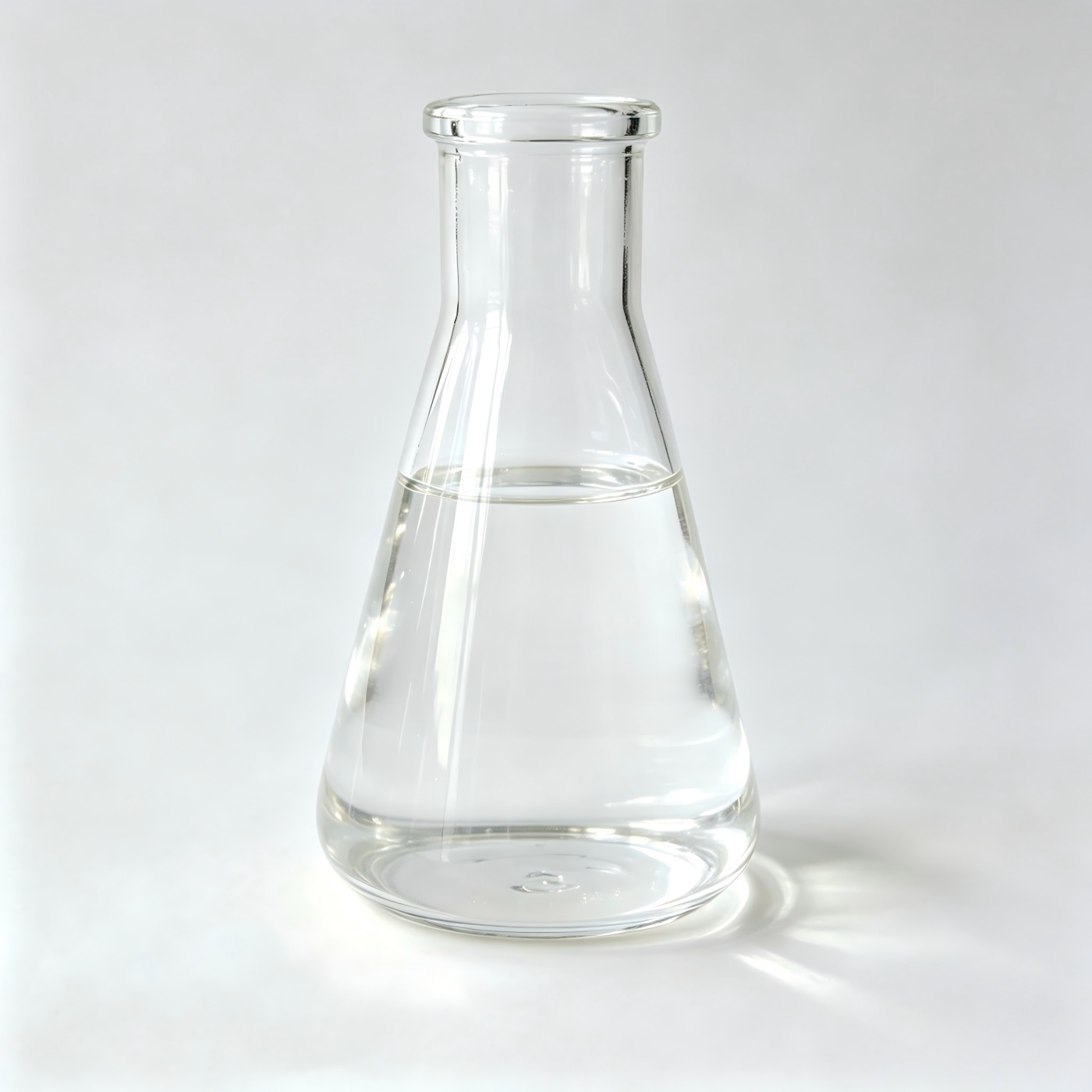
| Appearance | Colorless transparent liquid |
| Purity | ≥92% |
| Specific Gravity (25℃) | 0.825 |
| Boiling Point | 240 ℃ (10 mmHg) |
| Closed Cup Flash Point | >93 ℃ |
| Water Solubility | Insoluble in water |
Storage & Handling
Store TOP extractant in a cool, dry, air-isolated, and well-ventilated warehouse environment. Avoid prolonged exposure to air, high temperatures, and strong oxidizing substances to minimize oxidation and maintain extraction performance.
Containers should remain tightly sealed during storage and transportation to prevent contamination and unnecessary performance degradation. Industrial packaging solutions can be arranged according to bulk procurement requirements.
During handling operations, standard chemical protective equipment should be used to avoid direct contact with skin and eyes, ensuring safe operation in precious metal refining facilities.
Advantages / Limitations
Advantages
TOP provides excellent selectivity for gold, platinum, and palladium separation with strong discrimination between precious metals and base metal impurities. Its stable coordination activity supports precise refining performance in advanced hydrometallurgical purification systems.
The extractant features rapid phase separation, low water solubility, and stable physical and chemical properties. These characteristics support repeated cyclic use, helping reduce reagent consumption and improve the operational efficiency of precious metal refining processes.
Limitations
TOP is a specialized extractant designed for precious metal refining applications. It does not provide significant extraction advantages for conventional non-ferrous metals, rare metals, or oxyanion minerals and is not intended for large-scale rough mineral extraction processes.
Summary
TOP (Trioctylphosphine) is a high-purity phosphorus-based extractant dedicated to precious metal hydrometallurgical refining. With selective separation capability for gold, platinum, and palladium chloro-complexes, it provides reliable support for noble metal purification and resource recycling applications.
With additional impurity removal capability in high-purity non-ferrous metal solutions, TOP serves as a professional supporting reagent for advanced precious metal refining and high-standard metallurgical processing operations.
TOP (Trioctylphosphine) Precious Metal Extractant – FAQ
Q1. What is the suitable acidity range for using TOP extractant to recover gold, platinum, and palladium from hydrochloric acid systems?
TOP (Trioctylphosphine) extractant is applied in precious metal solvent extraction processes where acidity control plays an important role in metal complex formation and extraction selectivity. The suitable hydrochloric acid concentration depends on the target metal species, including chloro-complexes such as AuCl₄⁻, PtCl₆²⁻, and PdCl₄²⁻, as well as the composition of the refining solution. Laboratory equilibrium tests are recommended to determine distribution coefficients, phase separation behavior, and optimal extraction conditions. By adjusting acid concentration and process parameters, TOP can be evaluated for selective recovery of precious metals from chloride-based hydrometallurgical solutions.
Q2. How selective is TOP extractant for precious metal recovery from solutions containing iron, copper, and other impurities?
TOP extractant is designed for selective separation of valuable metal complexes from chloride-based refining solutions containing various impurities. The extraction selectivity depends on metal speciation, hydrochloric acid concentration, oxidation state, and impurity levels in the feed solution. In practical applications, elements such as iron and copper may influence extraction behavior and should be evaluated through laboratory distribution tests. Process optimization, including acidity adjustment, scrubbing stages, and stripping conditions, helps improve precious metal purification efficiency. Each refining system requires testing under actual solution conditions to determine the most suitable TOP extraction parameters.
Q3. How does TOP extractant perform for extracting anionic metal complexes such as AuCl₄⁻, PtCl₆²⁻, and PdCl₄²⁻?
TOP (Trioctylphosphine) functions as a neutral organophosphorus extractant that can interact with anionic metal chloride complexes in suitable aqueous chloride environments. Its extraction performance depends on chloride concentration, metal complex stability, acidity, temperature, and organic phase composition. Gold, platinum, and palladium chloride complexes may exhibit different extraction behaviors, requiring individual evaluation through equilibrium and kinetic studies. Laboratory testing is commonly used to determine extraction capacity, selectivity, and stripping efficiency before industrial application. TOP can be considered as part of a hydrometallurgical flowsheet for recovering precious metals from chloride-based leaching and refining solutions.
Q4. What factors affect the separation efficiency of gold, platinum, and palladium using TOP in continuous counter-current extraction systems?
In continuous counter-current solvent extraction operations, the separation efficiency of TOP for gold, platinum, and palladium depends on several factors, including feed composition, hydrochloric acid concentration, organic-to-aqueous phase ratio, number of extraction stages, and stripping conditions. Distribution coefficients and separation factors may change with variations in solution chemistry. Pilot testing and process simulation are recommended to determine the appropriate stage configuration and operating parameters. Proper control of phase disengagement, impurity removal, and organic stability is important for achieving reliable precious metal separation in industrial refining circuits.
Q5. What stripping conditions are required for recovering gold from TOP-loaded organic phase?
The stripping of gold from TOP-loaded organic phase requires carefully selected stripping reagents and operating conditions based on the extraction system design. Common stripping approaches may involve reagents such as thiourea or reducing agents, depending on the metal complex and downstream recovery process. The required reagent concentration, acidity, temperature, and contact time should be optimized through laboratory stripping tests. Effective stripping ensures efficient regeneration of the organic phase while producing a suitable gold-containing solution for further refining. Industrial application requires evaluation of both stripping efficiency and organic phase stability during repeated extraction cycles.
Q6. Can TOP maintain extraction performance in low-concentration platinum solutions below 0.1 g/L?
TOP can be evaluated for platinum recovery from dilute solutions, although extraction performance is influenced by platinum concentration, chloride chemistry, competing ions, and organic phase composition. In low-concentration systems, maintaining sufficient driving force for extraction may require optimization of extractant concentration, phase ratio, and extraction stages. Laboratory equilibrium testing is recommended to determine platinum distribution behavior and recovery potential. For dilute precious metal streams, process design should consider metal concentration, feed variability, and economic factors to ensure that solvent extraction provides practical recovery advantages.
Q7. How does TOP perform under high chloride conditions, and can it maintain organic stability during long-term operation?
High chloride environments are commonly encountered in precious metal hydrometallurgical processes, and TOP extractant performance depends on chloride concentration, acidity, temperature, and contact conditions. Under properly controlled operating conditions, TOP can be evaluated for use in chloride-based extraction systems. Potential issues such as organic degradation, phase instability, or emulsion formation should be assessed through compatibility testing with the specific process solution. Long-term operation requires monitoring organic quality, extraction capacity, phase separation behavior, and regeneration performance to maintain stable solvent extraction performance.
Q8. What operating parameters should be considered when using TOP at elevated temperatures above 55°C?
The application of TOP extractant at elevated temperatures requires evaluation of thermal stability, extraction kinetics, phase behavior, and long-term organic performance. Temperature changes can influence metal distribution coefficients, reaction equilibrium, and solvent extraction efficiency. Industrial users should conduct laboratory aging tests and pilot validation under representative operating conditions before continuous operation. Proper temperature control and routine monitoring of organic phase properties help reduce performance variation. For high-temperature precious metal refining systems, process-specific testing is recommended to confirm suitable operating conditions and maintain consistent extraction and stripping performance.
Q9. How can TOP be used for deep recovery of gold, platinum, and palladium from precious metal refining wastewater?
TOP extractant can be considered for recovering valuable precious metals from refining wastewater and secondary process streams where dissolved gold, platinum, or palladium losses occur. Application suitability depends on metal concentration, chloride chemistry, impurity composition, and upstream treatment processes. Laboratory evaluation should be performed to determine extraction efficiency, selectivity, phase separation characteristics, and stripping performance. When integrated into an appropriate hydrometallurgical recovery flowsheet, TOP may support improved precious metal recovery from dilute solutions while reducing valuable metal losses in industrial wastewater streams.
Q10. What are the key process parameters for achieving high-purity precious metal products using TOP extraction technology?
Producing high-purity precious metals with TOP extraction technology requires careful control of extraction, scrubbing, stripping, and purification steps. Important parameters include hydrochloric acid concentration, metal complex formation, organic formulation, phase ratio, impurity levels, extraction stages, and stripping efficiency. Maintaining stable phase separation and controlling impurity transfer are essential for downstream refining quality. Each precious metal recovery process has unique feed characteristics, so laboratory testing and pilot-scale validation are recommended to establish suitable operating conditions. Proper process optimization helps improve metal recovery efficiency and supports consistent production of high-purity gold, platinum, or palladium products.