


Ammonium Bicarbonate: A Selective Leaching Agent for Strategic Metal Recovery
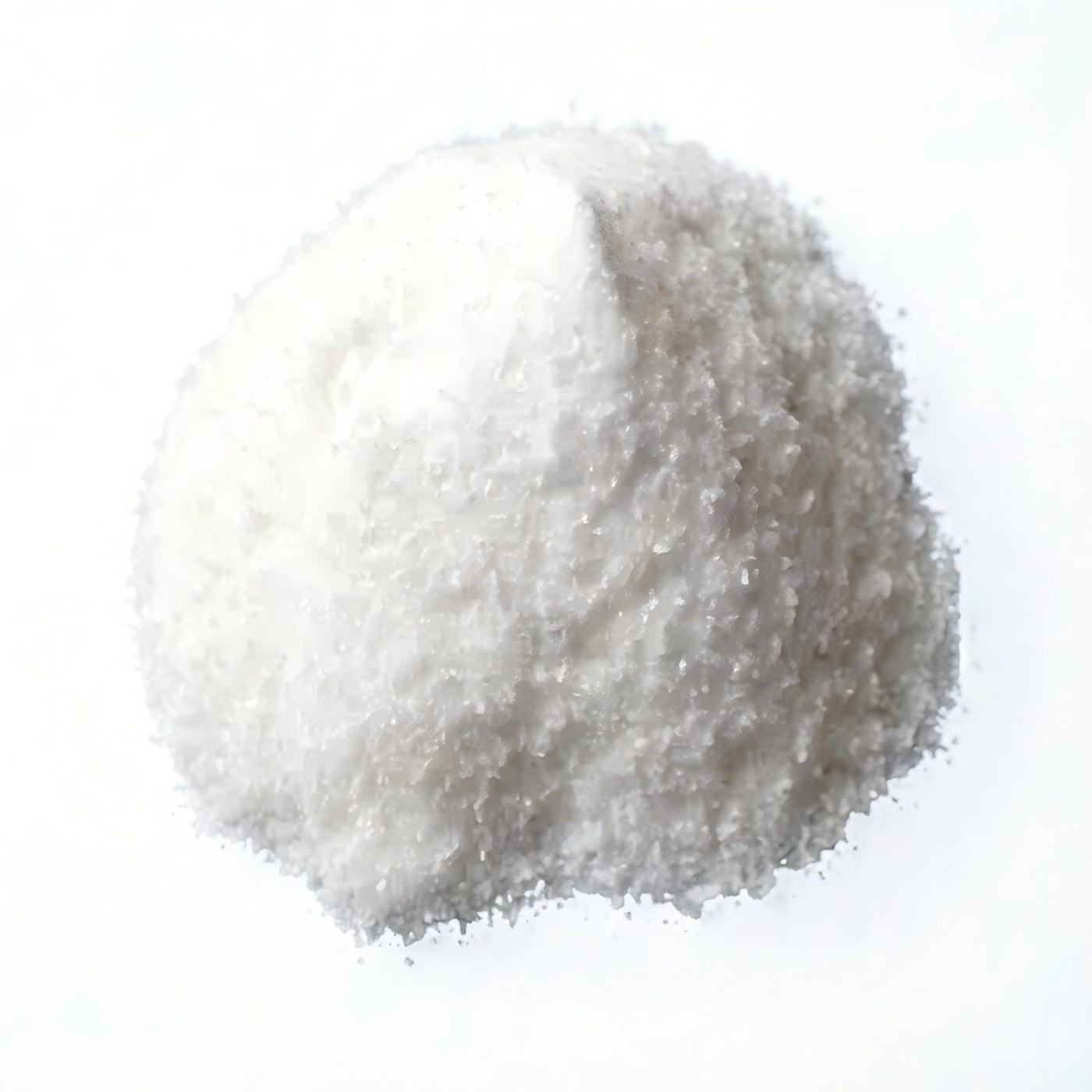
Ammonium bicarbonate (NH₄HCO₃) is a selective leaching agent and precipitation reagent widely used in hydrometallurgical processing. Its carbonate chemistry and pH-buffering capability enable selective dissolution, metal complex formation, and controlled precipitation across gold, silver, uranium, nickel, cobalt, lithium, and rare earth recovery processes.
Application Scope
Ammonium bicarbonate functions primarily as a selective lixiviant and precipitant in alkaline hydrometallurgical systems. It helps improve target metal recovery by maintaining suitable alkaline conditions, forming soluble metal complexes, and supporting selective separation from impurity elements.
Gold and Silver Recovery Applications
Ammonium bicarbonate has important applications in gold and silver extraction from complex ores, concentrates, and secondary resources. In cyanidation circuits, the addition of ammonium bicarbonate can enhance precious metal recovery by improving reaction conditions and supporting metal complex formation.
For complex gold concentrates, optimized ammonium bicarbonate-assisted cyanidation systems have demonstrated gold extraction rates of 98.78% and silver extraction rates of 97.57%. In gold refining silver slag treatment, industrial testing using ammonium bicarbonate-enhanced cyanidation achieved gold recovery of 92.93% and silver recovery of 84.17%.
Ammonium bicarbonate is also applied in ammoniacal leaching systems for copper-gold-silver ores, where soluble metal complexes support effective separation and recovery.
Nickel, Cobalt, and Lithium Recovery Applications
Ammonium bicarbonate demonstrates strong selectivity for nickel, cobalt, and lithium recovery from spent ternary lithium batteries. In ammonium bicarbonate-reductant leaching systems, the reagent promotes selective dissolution of valuable metals while limiting manganese dissolution.
Under optimized conditions of 2.5 mol/L NH₄HCO₃, 0.6 mol/L Na₂SO₃, 80°C, and 2.5 hours, leaching efficiencies reached 96.86% for lithium, 96.36% for nickel, and 93.43% for cobalt, while manganese remained almost completely unleached.
The selective behavior supports downstream purification processes. Ammonium bicarbonate can assist manganese carbonate precipitation from acidic leach solutions, enabling sequential separation of manganese, cobalt, nickel, and lithium components.
Uranium In-Situ Leaching Applications
Ammonium bicarbonate is an established lixiviant for uranium in-situ leaching (ISL) operations. In alkaline ISL systems, ammonium bicarbonate solutions combined with oxidants selectively dissolve hexavalent uranium while minimizing dissolution of unwanted elements from the ore body.
Typical uranium ISL conditions involve ammonium bicarbonate concentrations of 0.5–5 g/L, peroxide oxidants, and pH values between 7.4 and 9. The enriched uranium-bearing solution can then be processed using strong-base anion exchange resin to recover uranium as ammonium diuranate (ADU).
The selective leaching mechanism provides improved uranium-to-impurity ratios, supporting efficient downstream recovery operations.
Rare Earth Element Precipitation Applications
Ammonium bicarbonate is widely used as a precipitation reagent for rare earth element recovery due to its carbonate supply capability, cost efficiency, and precipitation selectivity.
Under optimized conditions, including terminal pH 6.8, 0.6 mol/L NH₄HCO₃ concentration, and 25°C operation, rare earth precipitation efficiency can reach 99.78%. The process produces rare earth oxide products with improved purity and reduced impurity content.
Ammonium bicarbonate is also applied for impurity removal from rare earth acid leach solutions. It assists in removing ions such as Fe³⁺, Al³⁺, and Cu²⁺ before final rare earth precipitation.
Copper-Uranium Co-Leaching Applications
For calcareous shale deposits, ammonium bicarbonate can be combined with ammonium carbonate and oxidants for copper-uranium co-leaching applications.
A mixed solution containing 2.0 M ammonium carbonate, 0.5 M ammonium bicarbonate, and H₂O₂ oxidant achieved uranium leaching efficiency of 91.5% and copper leaching efficiency of 94.7% at 60°C.
Mechanism
Ammonium bicarbonate operates through metal complexation, carbonate precipitation, and alkaline buffering mechanisms depending on the processing system.
During leaching applications, bicarbonate ions (HCO₃⁻) interact with dissolved metal species to form soluble complexes. In uranium systems, hexavalent uranium forms stable uranyl carbonate complexes such as [UO₂(CO₃)₃]⁴⁻, improving uranium dissolution under alkaline conditions.
In ammoniacal systems, metal ions can form soluble amine complexes, supporting selective extraction. During precipitation processes, carbonate ions supplied by NH₄HCO₃ promote selective metal carbonate formation, enabling sequential separation of manganese, nickel, cobalt, and lithium.
The buffering capability of ammonium bicarbonate helps maintain alkaline operating conditions, typically within pH 7.4–9, which is important for selective leaching performance.
Physicochemical Properties
| Parameter | Specification |
|---|---|
| CAS Number | 1066-33-7 |
| Molecular Formula | NH₄HCO₃ |
| Molecular Weight | 79.06 g/mol |
| Appearance | White crystalline powder |
| Assay (Technical Grade) | ≥99.0% |
| Decomposition Temperature | Approximately 60°C (decomposes to NH₃, CO₂, and H₂O) |
| Solubility | 220 g/L in water (20°C) |
| Typical Leach Concentration | 0.5–2.5 mol/L |
| Optimal pH Range | 7.4–9.0 |
Specifications
Ammonium bicarbonate supplied for mining and metallurgical applications requires stable chemical quality and consistent performance for laboratory evaluation, process testing, and industrial hydrometallurgical circuits.
Process optimization should consider ore characteristics, target metal concentration, reagent dosage, pH control, temperature conditions, and downstream recovery requirements.
Storage & Handling
Store ammonium bicarbonate in tightly sealed containers in a cool, dry, and well-ventilated area. Protect the material from moisture and excessive heat during storage and transportation.
The compound decomposes at temperatures around 60°C, releasing ammonia and carbon dioxide gases. Operators should use appropriate personal protective equipment, including chemical-resistant gloves, safety goggles, and dust protection during handling.
Spilled material should be collected properly and disposed of according to applicable local regulations. Although ammonium bicarbonate is considered biodegradable, direct contact may cause skin and eye irritation.
Advantages / Limitations
Advantages
Provides high selectivity for target metal recovery in alkaline leaching systems.
Supports sequential precipitation processes for manganese, cobalt, nickel, and lithium separation.
Enables gold and silver recovery enhancement in complex ore and secondary resource processing.
Well-established application in uranium in-situ leaching operations.
Provides pH-buffering capability for stable alkaline hydrometallurgical conditions.
Limitations
Thermal decomposition above approximately 60°C limits high-temperature applications.
Higher reagent consumption may require recycling strategies for economic optimization.
Limited effectiveness for acidic ore systems without pH adjustment.
Ammonia-nitrogen content in wastewater may require additional treatment management.
Summary
Ammonium bicarbonate (CAS 1066-33-7) is a versatile selective leaching agent and precipitation reagent for strategic metal recovery. Its applications include gold and silver extraction, nickel-cobalt-lithium recovery from spent batteries, uranium in-situ leaching, rare earth precipitation, and copper-uranium co-leaching.
Through controlled complexation, carbonate precipitation, and alkaline buffering mechanisms, NH₄HCO₃ supports selective separation of valuable metals from complex resources while improving process stability.
For mining and metallurgical operations processing precious metals, battery materials, uranium resources, or rare earth solutions, ammonium bicarbonate provides a proven reagent option for selective recovery and hydrometallurgical process optimization.
Ammonium Bicarbonate – FAQ
Q1. How does ammonium bicarbonate improve leaching performance in gold heap leaching operations?
Ammonium bicarbonate can be used as an auxiliary reagent in selected gold leaching systems by providing ammonium ions and buffering effects that may influence solution chemistry. In heap leaching applications, its role depends on ore mineralogy, leaching reagent system, permeability, and solution circulation conditions. For certain oxidized ores, ammonium bicarbonate may help maintain a more suitable chemical environment and improve reagent interaction with gold-bearing minerals. Performance evaluation should be based on column tests or laboratory simulations using representative ore samples, with parameters such as gold recovery, reagent consumption, pH stability, and leaching kinetics carefully monitored.
Q2. What types of gold ores are suitable for ammonium bicarbonate assisted leaching?
Ammonium bicarbonate assisted leaching is generally considered for specific ore conditions where ammonium-based chemistry can provide process benefits. It may be evaluated for oxidized gold ores, low-grade ores, or complex mineral systems where solution chemistry adjustment is required. However, suitability depends on factors including gold liberation, gangue composition, carbonate content, clay minerals, and the selected leaching reagent. Detailed mineralogical analysis and laboratory leaching tests are recommended before application. The objective is to confirm whether ammonium bicarbonate improves gold dissolution efficiency without creating negative impacts on downstream recovery processes.
Q3. How does ammonium bicarbonate affect gold leaching kinetics?
The influence of ammonium bicarbonate on gold leaching kinetics is related to its effect on solution chemistry, buffering capacity, and interaction between leaching reagents and mineral surfaces. In some systems, improved chemical stability may support more consistent gold dissolution conditions. The actual kinetic improvement depends on ore characteristics, particle size, temperature, oxygen availability, and leaching time. Bottle-roll tests, column leaching tests, and kinetic analysis are commonly used to evaluate changes in gold dissolution rate and recovery. Process optimization should focus on overall metallurgical performance rather than reagent addition alone.
Q4. How should the optimal dosage of ammonium bicarbonate be determined for low-grade gold ore leaching?
The optimal dosage of ammonium bicarbonate for low-grade gold ore leaching should be determined through laboratory testing using representative samples from the target deposit. Important evaluation parameters include gold recovery, leaching rate, pH variation, ammonium concentration, reagent consumption, and residue analysis. The required dosage can vary significantly depending on ore mineralogy, gangue composition, and the existing leaching process. Excessive addition may increase operating costs or complicate downstream solution treatment. A systematic optimization program helps identify a practical dosage range suitable for pilot and industrial-scale operations.
Q5. Can ammonium bicarbonate be used together with sodium cyanide in CIP gold processing?
The compatibility of ammonium bicarbonate with sodium cyanide in CIP gold processing depends on the specific process conditions and solution chemistry. Ammonium bicarbonate may influence pH buffering, ammonium concentration, and interactions between dissolved components. Before combining reagents, metallurgical testing should be conducted to evaluate gold dissolution behavior, cyanide stability, activated carbon adsorption performance, and solution composition. Proper control of pH, dissolved oxygen, and reagent balance is important to maintain efficient CIP operation. Site-specific testing is recommended because ore characteristics and process design strongly affect reagent compatibility.
Q6. How does ammonium bicarbonate influence activated carbon adsorption in gold recovery?
In gold recovery circuits using activated carbon, solution chemistry can significantly affect gold adsorption efficiency. Ammonium bicarbonate may influence ionic balance, pH conditions, and dissolved species within the leach solution, which can indirectly affect carbon adsorption behavior. The actual impact depends on gold complex stability, competing ions, cyanide concentration, and the presence of impurities. Carbon adsorption tests using actual process solution are recommended to verify adsorption capacity and selectivity. Proper monitoring helps ensure that ammonium bicarbonate application supports leaching performance without reducing downstream gold recovery efficiency.
Q7. What role does ammonium bicarbonate play in pH control during leaching?
Ammonium bicarbonate can provide a buffering effect in certain leaching systems due to the equilibrium between ammonium and bicarbonate ions. This buffering capability may help stabilize solution conditions during mineral dissolution reactions. However, its effectiveness depends on ore acidity, alkaline consumption, dissolved minerals, and operating conditions. pH control should be evaluated together with other process parameters, including reagent concentration, temperature, and oxidation conditions. Continuous monitoring of pH and solution chemistry is recommended to determine whether ammonium bicarbonate provides a practical advantage in maintaining suitable leaching conditions.
Q8. How does ammonium bicarbonate perform in high-clay or difficult-to-leach ores?
For high-clay ores, leaching performance is often affected by poor permeability, mineral surface coating, and reagent transport limitations. Ammonium bicarbonate may assist solution chemistry adjustment in certain systems, but it does not directly replace the need for proper ore preparation and process control. Effective application requires consideration of particle size distribution, agglomeration conditions, moisture content, and solution flow behavior. Laboratory column tests are particularly useful for evaluating heap leaching performance with clay-rich ores. The final process design should integrate reagent selection with physical ore handling and leaching optimization strategies.
Q9. How should ammonium bicarbonate leaching systems be evaluated for environmental and process water management?
When ammonium bicarbonate is applied in leaching systems, ammonium and nitrogen-containing compounds should be considered during process water management. Evaluation should include ammonia nitrogen concentration, solution recycling conditions, wastewater treatment requirements, and environmental compliance objectives. Proper control of reagent dosage and water circulation can help minimize unnecessary nitrogen accumulation. Site-specific water analysis and treatment assessments are recommended before large-scale implementation. A complete evaluation should consider both metallurgical benefits and the requirements for responsible management of process residues and wastewater streams.
Q10. What laboratory tests are recommended before applying ammonium bicarbonate as a leaching enhancer?
Before industrial application, ammonium bicarbonate should be evaluated through systematic metallurgical testing using representative ore samples. Recommended tests include bottle-roll leaching, column leaching simulation, solution chemistry analysis, gold recovery measurement, and residue characterization. Key parameters include reagent dosage, pH behavior, leaching time, particle size, slurry density, and downstream adsorption performance. These tests help determine whether ammonium bicarbonate provides measurable improvements under actual processing conditions. Pilot-scale verification is recommended when laboratory results indicate potential benefits for commercial mining operations.