


Ammonium Thiosulfate: A Non-Toxic Leaching Enhancer for Strategic Metal Recovery
Application Scope
Ammonium thiosulfate ((NH₄)₂S₂O₃) is a specialized hydrometallurgical reagent used in copper-ammonium-thiosulfate lixiviation systems. It is primarily valued as a lower-toxicity alternative to cyanide for recovering precious and strategic metals from complex ores where conventional cyanidation may show limited effectiveness.
Its applications are concentrated in refractory gold ores, silver recovery systems, cobalt and nickel extraction from complex oxide resources, and copper leaching circuits where selective metal dissolution and improved process compatibility are required.
Primary Application — Gold & Silver Recovery from Refractory Ores
The most significant application of ammonium thiosulfate is the recovery of gold and silver from refractory ores that are difficult to treat using conventional cyanidation, especially ores containing copper and/or manganese that negatively affect cyanide leaching performance.
In copper-ammonium-thiosulfate systems, gold dissolves by forming stable thiosulfate complexes. Under optimized conditions, including ammonium thiosulfate concentration of approximately 0.8–1.0 × 10³ mol/m³, copper catalyst addition, and controlled alkaline conditions around pH 10±0.2, effective gold extraction can be achieved.
This system is particularly suitable for manganese-containing ores where cyanide-based processes may experience reduced recovery. Precious metals from pregnant solutions can be recovered through copper cementation, allowing gold and silver precipitation while maintaining copper concentration within the recycled lixiviant system.
Primary Application — Cobalt and Nickel Leaching from Ferromanganese Crusts
Ammonium thiosulfate also functions as a reducing reagent in ammoniacal leaching systems for cobalt, nickel, and copper recovery from cobalt-rich ferromanganese crusts.
Research indicates that ammoniacal thiosulfate solutions can selectively extract battery-related metals from complex oxide matrices, providing a hydrometallurgical pathway for recovering critical metals from challenging mineral resources.
Secondary Application — Copper Extraction from Sulfide Ores
In copper hydrometallurgy, ammonium thiosulfate can be applied in ammoniacal leaching systems for copper sulfide minerals such as chalcocite and chalcopyrite, particularly where associated gold and silver values require consideration.
The reagent system supports selective dissolution processes and provides additional flexibility for polymetallic sulfide resources requiring integrated metal recovery strategies.
Secondary Application — Stabilized Gold Leaching Systems
Ammonium thiosulfate-based systems are also investigated as regulators for improving gold leaching stability through solution potential control. Proper management of solution chemistry helps maintain thiosulfate stability and supports consistent metal dissolution performance.
Mechanism
In the copper-ammonium-thiosulfate leaching system, copper ions (Cu²⁺) act as the oxidizing component that promotes gold dissolution, while thiosulfate ions (S₂O₃²⁻) complex with dissolved gold species to form soluble gold-thiosulfate complexes such as [Au(S₂O₃)₂]³⁻.
The efficiency of the leaching process depends strongly on maintaining suitable alkaline conditions. A pH range of approximately 9.0–10.5, controlled by ammonia addition, helps stabilize thiosulfate and reduces decomposition risks.
Sulfite ions are used as stabilizing additives to inhibit thiosulfate oxidation, while copper-ammonia-thiosulfate complex formation influences oxidation kinetics and overall leaching efficiency.
Physicochemical Properties
| Parameter | Specification |
|---|---|
| CAS Number | 7783-18-8 |
| Molecular Formula | (NH₄)₂S₂O₃ |
| Molecular Weight | 148.20 g/mol |
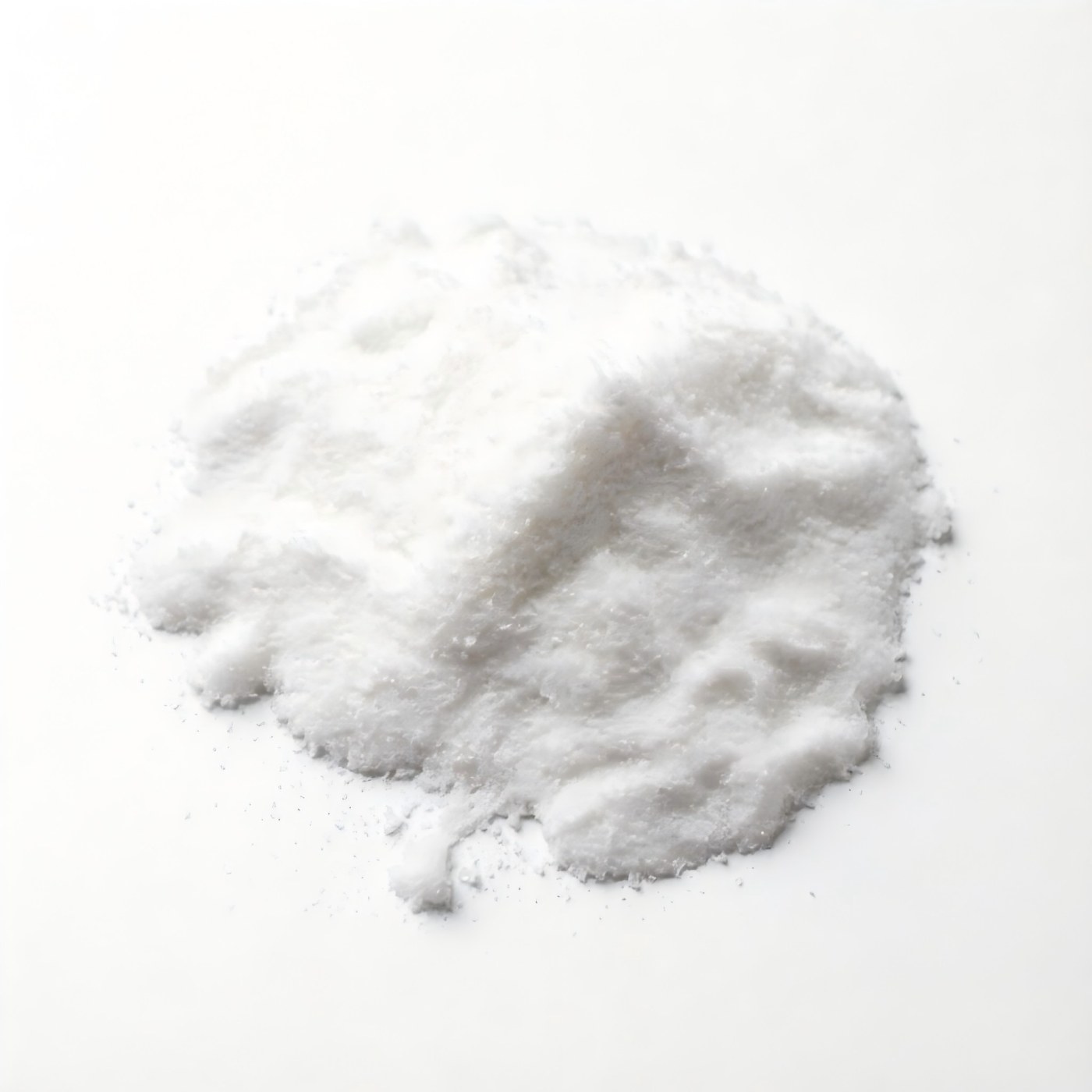
| Appearance | White crystalline solid |
| Assay (technical grade) | ≥99.0% |
| Solubility | Highly soluble in water |
| Typical Leach Concentration | 2–15% solution |
| Optimal pH Range | 9.0–10.5 |
| Temperature Range | 25–60°C |
| Required Additives | Cu²⁺ catalyst, NH₃, sulfite ions |
Storage & Handling
Store ammonium thiosulfate in tightly sealed containers in a cool, dry, and well-ventilated area. Protect the reagent from excessive moisture, heat sources, and strong oxidizing agents to maintain product stability during storage.
Personnel handling ammonium thiosulfate should wear appropriate personal protective equipment, including chemical-resistant gloves, safety goggles, and dust protection when required. In case of accidental spillage, collect the material using suitable methods and dispose of it according to applicable local regulations.
Compared with cyanide-based lixiviants, ammonium thiosulfate provides a lower-toxicity leaching option, reducing certain environmental and safety concerns associated with traditional cyanidation systems. However, proper process control remains essential to maintain stable thiosulfate chemistry during operation.
Advantages / Limitations
Advantages
Lower-toxicity alternative to cyanide for selected precious metal recovery applications, helping reduce environmental and operational risks.
Effective for refractory gold and silver ores containing copper and/or manganese, where cyanide performance may be limited.
Compatible with copper-ammonium-thiosulfate leaching systems that can recover precious metals through controlled hydrometallurgical processes.
Can support recovery of cobalt, nickel, and copper from complex oxide resources under ammoniacal conditions.
Potential for lixiviant regeneration and recycling, helping optimize reagent utilization in suitable process circuits.
Suitable for mining operations seeking alternative leaching technologies for complex mineral resources.
Limitations
Requires careful control of pH, ammonia concentration, copper ions, and sulfite additives to prevent thiosulfate decomposition.
Copper concentration must be monitored because excessive copper levels may affect metal recovery performance and process stability.
Reagent consumption may increase when processing ores with high manganese content.
Temperature control and ammonia management introduce additional operational requirements compared with conventional cyanide leaching.
Performance depends on ore mineralogy, solution chemistry, and optimized hydrometallurgical conditions.
Summary
Ammonium thiosulfate (CAS 7783-18-8) is a specialized hydrometallurgical reagent for strategic metal recovery, primarily applied in gold and silver extraction from refractory ores that are challenging for conventional cyanidation, particularly copper- and manganese-containing resources.
Through copper-ammonium-thiosulfate chemistry, the reagent enables gold dissolution under controlled alkaline conditions, typically involving copper catalysts, ammonia stabilization, and sulfite additives. It also supports cobalt, nickel, and copper recovery from complex mineral resources through ammoniacal leaching systems.
For mining operations evaluating lower-toxicity alternatives to cyanide-based processes, ammonium thiosulfate provides a technically established option for selected refractory precious metal and strategic mineral recovery applications.
Ammonium Thiosulfate – FAQ
Q1. How does ammonium thiosulfate enhance gold leaching in refractory or high-sulfur gold ores?
Ammonium thiosulfate can act as a complexing reagent in alternative gold leaching systems, especially for ores where conventional cyanidation may face challenges due to copper minerals, preg-robbing carbonaceous materials, or high sulfur content. The reagent forms stable gold-thiosulfate complexes under suitable chemical conditions, which can improve gold dissolution in properly controlled processes. Application performance depends on ore mineralogy, oxidizing conditions, pH control, reagent concentration, and downstream recovery technology. Laboratory bottle tests and mineralogical analysis are recommended before industrial application to determine the appropriate ammonium thiosulfate dosage and process parameters.
Q2. What factors determine the optimal dosage of ammonium thiosulfate for gold leaching applications?
The optimal dosage of ammonium thiosulfate varies according to ore composition, gold liberation degree, copper content, oxidation state, and leaching conditions. Excessive reagent addition may increase operating costs without improving recovery, while insufficient dosage may limit gold complex formation. In practice, dosage optimization is usually conducted through laboratory leaching tests by evaluating gold dissolution rate, reagent consumption, pH stability, and impurity behavior. Parameters such as ammonium concentration, dissolved oxygen level, temperature, and residence time should also be considered when developing a suitable ammonium thiosulfate leaching system.
Q3. Can ammonium thiosulfate be used for copper-gold ore leaching, and how is its performance evaluated?
Ammonium thiosulfate is commonly investigated for copper-gold ore systems because copper minerals can consume cyanide and complicate conventional gold recovery. The performance of ammonium thiosulfate in copper-gold ores is evaluated through comparative leaching tests, measuring gold extraction, copper dissolution behavior, reagent consumption, and solution stability. Process conditions such as pH, oxidation potential, ammonia concentration, and thiosulfate concentration play important roles in maintaining effective gold complex formation. A detailed mineralogical assessment is recommended because copper mineral types and gangue composition strongly influence the overall leaching response.
Q4. How does ammonium thiosulfate compare with sodium thiosulfate in gold leaching applications?
Ammonium thiosulfate and sodium thiosulfate are both sulfur-based lixiviants used in alternative gold leaching technologies, but they have different chemical behaviors and process requirements. Ammonium thiosulfate is often applied in ammoniacal systems where copper-bearing ores are present because ammonia can help stabilize certain copper complexes. Sodium thiosulfate may be selected in other process conditions depending on reagent availability and recovery flowsheet design. The appropriate choice depends on ore mineralogy, impurity levels, recovery method, and environmental requirements. Laboratory testing is essential to determine which thiosulfate system provides better technical and economic performance for a specific ore type.
Q5. How does ammonium thiosulfate concentration affect gold leaching efficiency?
The concentration of ammonium thiosulfate directly influences the formation of gold-thiosulfate complexes and the overall leaching kinetics. A suitable concentration can improve gold dissolution by maintaining sufficient complexing capacity, while excessive concentration may increase reagent consumption and require additional process control. During laboratory evaluation, factors including gold recovery rate, thiosulfate stability, ammonia concentration, oxidation conditions, and leaching time should be monitored. The optimal concentration depends on ore characteristics, including gold particle size, copper minerals, sulfide content, and the presence of reactive gangue minerals.
Q6. What is the recommended approach for using ammonium thiosulfate in nickel-cobalt hydrometallurgical processes?
Ammonium thiosulfate is primarily recognized as a gold leaching reagent rather than a standard reagent for nickel-cobalt high-pressure acid leaching (HPAL) operations. In complex hydrometallurgical systems, its application should be evaluated based on the target metal, process chemistry, and potential interactions with other reagents. For nickel and cobalt recovery circuits, reagent selection is normally determined by the specific leaching mechanism, impurity control requirements, and downstream separation technology. Laboratory compatibility testing is recommended before introducing ammonium thiosulfate into multi-metal hydrometallurgical processes to verify its influence on metal dissolution and solution chemistry.
Q7. How does temperature influence ammonium thiosulfate-assisted gold leaching performance?
Temperature can affect ammonium thiosulfate leaching by influencing reaction kinetics, reagent stability, and mineral dissolution behavior. Moderate temperature increases may accelerate gold dissolution reactions, but excessive temperatures can also promote thiosulfate decomposition and increase reagent consumption. The suitable operating temperature depends on ore characteristics and the selected leaching system. During process development, temperature testing is usually combined with monitoring of gold extraction, thiosulfate concentration, oxidation-reduction potential, and solution stability to identify the most suitable operating range for industrial application.
Q8. How should ammonium thiosulfate leaching be optimized for refractory gold ores with high sulfur content?
For high-sulfur or refractory gold ores, ammonium thiosulfate leaching optimization requires careful control of mineral oxidation, reagent stability, and gold accessibility. Sulfide minerals may consume oxidants or affect complex formation, so pretreatment methods, particle size reduction, and oxidation control may be required depending on ore characteristics. Optimization typically includes laboratory evaluation of ammonium thiosulfate concentration, ammonia level, oxidant dosage, pH conditions, and leaching time. Mineralogical analysis is important to identify the main factors limiting gold dissolution and to design an effective leaching strategy.
Q9. How does ammonium thiosulfate affect cyanide consumption in gold recovery processes?
Ammonium thiosulfate is generally considered an alternative gold lixiviant rather than a direct cyanide consumption reducer in conventional CIP or CIL circuits. In certain applications, thiosulfate-based leaching systems are studied as substitutes for cyanidation where cyanide consumption is increased by copper minerals or other reactive components. The impact on cyanide usage depends on the selected process flowsheet, ore mineralogy, and recovery method. Before implementation, comparative testing between cyanide and thiosulfate systems should evaluate gold recovery, reagent requirements, operating conditions, and downstream metal recovery efficiency.
Q10. What factors should be considered when selecting ammonium thiosulfate for industrial gold leaching projects?
Selection of ammonium thiosulfate for industrial gold leaching requires evaluation of ore mineralogy, gold liberation characteristics, copper and sulfide content, reagent stability, and recovery technology compatibility. Key process parameters include ammonium concentration, thiosulfate dosage, pH control, oxidation conditions, leaching time, and downstream recovery method. A successful application normally begins with laboratory testing, including bottle leach experiments and solution chemistry analysis, followed by pilot-scale verification when required. Proper process evaluation helps determine whether ammonium thiosulfate is technically suitable for a specific gold ore treatment operation.