


Potassium Permanganate: A Powerful Oxidant for Strategic Metal Leaching
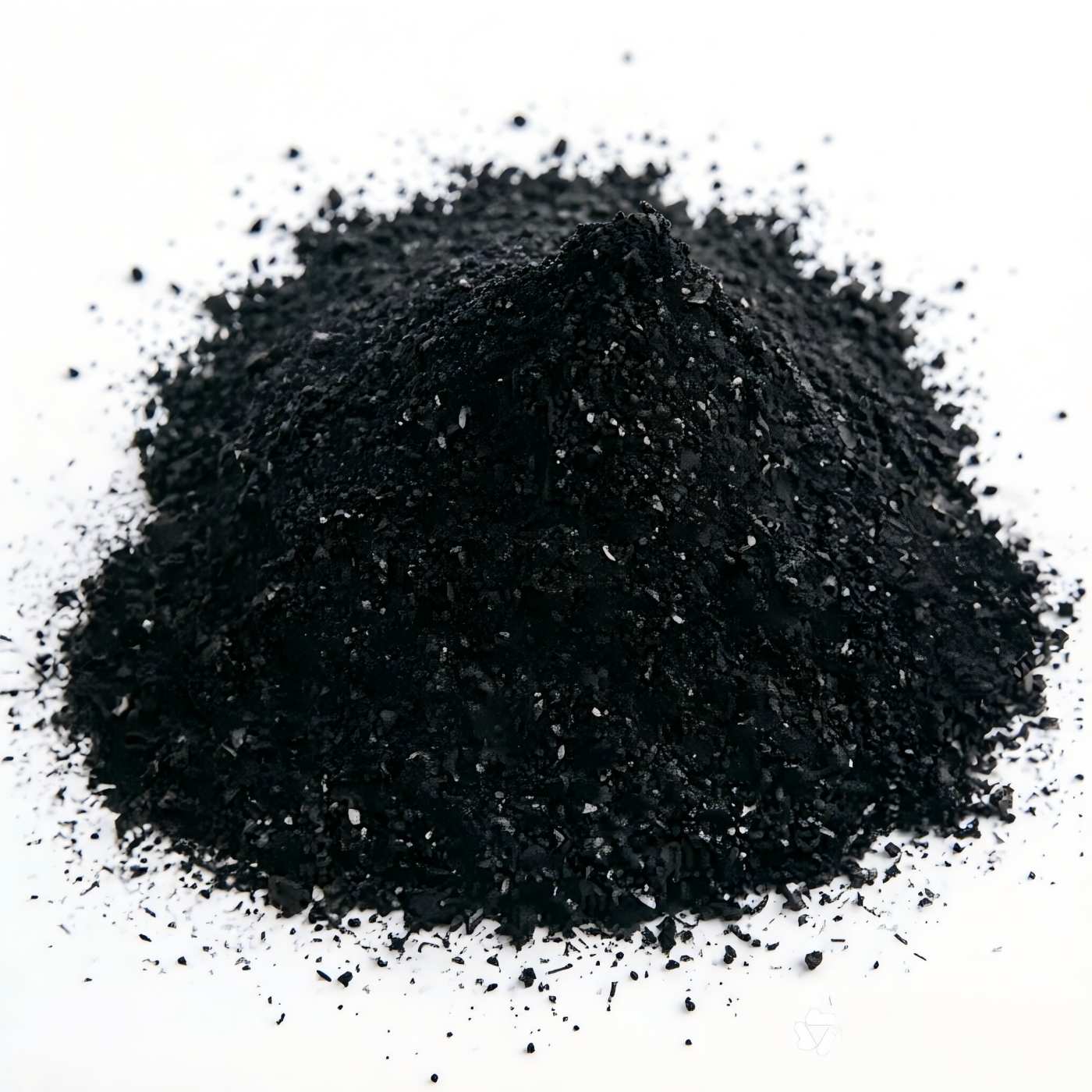
Potassium permanganate (KMnO₄) is a powerful oxidizing reagent widely applied in hydrometallurgical processing and mineral separation. As a high-performance oxidant, it supports gold leaching, uranium extraction, nickel-cobalt recovery, and copper-molybdenum separation by improving oxidation reactions, controlling mineral behavior, and enhancing process selectivity.
Application Scope
Potassium permanganate functions primarily as a strong oxidant in hydrometallurgical leaching and mineral processing. Its oxidation capability enables improved extraction performance from complex ores, secondary resources, and strategic metal-bearing materials.
Gold Leaching Applications
Potassium permanganate has significant application value in gold extraction, particularly in alkaline glycine-based leaching systems without cyanide. KMnO₄ provides oxidative conditions that support gold dissolution and subsequent complexation with glycine.
Under optimized conditions, including a dosage of 3 kg/t potassium permanganate and 1.5 kg/t glycine at 30% solids and pH 10.5, gold recovery can reach up to 85.1%. KMnO₄ pre-treatment is also applied for low-grade secondary resources such as mine tailings, where a two-stage process involving KMnO₄ oxidation followed by glycine leaching improves gold extraction efficiency.
Uranium Leaching Applications
In uranium hydrometallurgy, potassium permanganate acts as an oxidation reagent to convert U(IV) into soluble U(VI), improving uranium dissolution during alkaline and acidic leaching processes.
For sandstone-type uranium ores, KMnO₄ combined with carbonate/bicarbonate lixiviants enhances alkaline leaching performance. Synergistic oxidation systems using potassium permanganate and sodium hypochlorite have also demonstrated high uranium extraction efficiency under optimized operating conditions.
Nickel and Cobalt Recovery Applications
Potassium permanganate is used as a selective oxidant for nickel and cobalt recovery from mixed hydroxide precipitates (MHP) and laterite ore processing systems.
During selective leaching, KMnO₄ oxidizes Mn²⁺ into MnO₂ solid phase, stabilizing manganese while promoting nickel and cobalt dissolution. Under optimized sulfuric acid leaching conditions, nickel dissolution can reach 91.3% and cobalt dissolution can reach 85.4%, while manganese dissolution is reduced through selective oxidation control.
Copper-Molybdenum Separation Applications
In copper-molybdenum flotation circuits, potassium permanganate functions as an oxidizing regulator to improve mineral separation performance. Combined with sodium silicate and NaHS depressants, KMnO₄ oxidation helps depress ultra-fine secondary copper minerals during bulk concentrate separation.
This oxidation-assisted separation process supports the production of molybdenum concentrate with improved grade and recovery performance, including reported molybdenum concentrate grades of 55.73% Mo with 68.11% recovery.
Uranium-Molybdenum Ore Processing
Potassium permanganate is also applied in uranium-molybdenum ore processing to adjust solution oxidation potential, facilitating selective molybdenum extraction followed by uranium recovery through downstream separation processes.
Mechanism
Potassium permanganate operates through strong oxidation reactions based on the reduction of Mn(VII) into Mn(IV) or Mn(II), depending on solution conditions and pH environment.
In acidic systems, permanganate provides a high oxidation potential according to the reaction:
MnO₄⁻ + 8H⁺ + 5e⁻ → Mn²⁺ + 4H₂O
In alkaline systems, permanganate is reduced to manganese dioxide:
MnO₄⁻ + 2H₂O + 3e⁻ → MnO₂ + 4OH⁻
In gold-glycine leaching systems, KMnO₄ provides oxidative conditions that promote gold oxidation and subsequent glycine complexation. In nickel-cobalt processing, it selectively converts dissolved manganese into stable MnO₂, reducing manganese interference and improving Ni/Co recovery efficiency.
For uranium extraction, potassium permanganate enhances leaching by oxidizing U(IV) minerals into soluble U(VI) species, improving dissolution performance.
Physicochemical Properties
| Parameter | Specification |
|---|---|
| CAS Number | 7722-64-7 |
| Molecular Formula | KMnO₄ |
| Molecular Weight | 158.03 g/mol |
| Appearance | Dark purple crystalline powder |
| Assay (Technical Grade) | ≥99.0% |
| Solubility | 64 g/L in water (20°C) |
| Typical Dosage (Gold Glycine System) | 2–3 kg/t ore |
| Typical Dosage (Ni/Co Leaching) | 2.5–7.5 g/L |
| Optimal pH Range | pH 0.3–3.0 (acidic uranium systems) or pH 10.5 (alkaline glycine systems) |
Specifications
Potassium permanganate supplied for mining applications requires consistent oxidation performance and stable chemical quality. The reagent is suitable for laboratory evaluation, metallurgical testing, and industrial-scale hydrometallurgical applications where controlled oxidation is required.
Process optimization should consider ore characteristics, mineral composition, oxidation demand, reagent dosage, pH conditions, and downstream recovery requirements.
Storage & Handling
Store potassium permanganate in tightly sealed containers in a cool, dry, and well-ventilated area. Keep the reagent separated from organic materials, reducing agents, acids, and combustible substances.
As a strong oxidizer, KMnO₄ requires appropriate handling procedures to prevent unwanted reactions. Operators should use chemical-resistant gloves, safety goggles, and protective clothing during storage and application.
Any spillage should be managed carefully to avoid contact with combustible materials and disposed of according to applicable local regulations.
Advantages / Limitations
Advantages
-
Provides strong oxidation capability for gold leaching in alkaline glycine systems.
-
Supports uranium extraction through oxidation of U(IV) to soluble U(VI).
-
Improves selective nickel and cobalt recovery by stabilizing manganese in solid phase.
-
Assists copper-molybdenum flotation separation through oxidation-assisted mineral regulation.
-
Offers stable availability and consistent quality for mining process applications.
Limitations
-
Requires strict segregation from organic materials and combustible substances due to strong oxidation characteristics.
-
Precise molar ratio control is required in glycine systems because excessive KMnO₄ may oxidize glycine.
-
Acidic applications may require corrosion-resistant processing equipment.
-
Manganese dioxide residues may require additional management during downstream processing.
Summary
Potassium permanganate (CAS 7722-64-7) is a versatile oxidizing reagent used in strategic metal processing applications, including gold leaching, uranium extraction, nickel-cobalt recovery, and copper-molybdenum separation.
Through controlled oxidation reactions, KMnO₄ improves mineral processing performance by supporting gold oxidation in glycine systems, uranium conversion to soluble forms, selective manganese stabilization, and flotation separation control.
For mining operations requiring reliable oxidation capability across complex hydrometallurgical circuits, potassium permanganate provides a proven reagent option for process optimization and strategic metal recovery.
Potassium Permanganate – FAQ
Q1. How does potassium permanganate work as an oxidation enhancer in gold leaching?
Potassium permanganate (KMnO₄) can act as a strong oxidizing agent in specific gold leaching systems by promoting the oxidation of reactive sulfide minerals and reducing the passivation effects caused by sulfur-bearing compounds. In refractory gold ores, especially those containing sulfides, controlled oxidation may improve the exposure of gold particles to the leaching solution. The practical application depends on ore mineralogy, cyanide concentration, pH conditions, and oxidation requirements. Laboratory bottle-roll tests are normally recommended to evaluate the appropriate dosage and avoid excessive oxidant consumption or undesirable reactions with other ore components.
Q2. What is the recommended dosage range of potassium permanganate for gold leaching enhancement?
The optimal dosage of potassium permanganate in gold leaching varies significantly depending on ore composition, sulfide content, mineral associations, and the selected leaching process. There is no universal dosage value applicable to all gold ores. Technical evaluation should consider parameters such as oxidation demand, slurry density, pH, dissolved oxygen level, and leaching time. In practice, potassium permanganate is usually optimized through laboratory testing before industrial application. The objective is to achieve sufficient mineral oxidation improvement while maintaining process efficiency and controlling reagent consumption.
Q3. How does potassium permanganate improve leaching performance for high-sulfur gold ores?
High-sulfur gold ores often contain sulfide minerals that can encapsulate gold particles and consume leaching reagents. Potassium permanganate may assist oxidation of certain sulfide-related components, helping reduce mineral surface passivation and improving contact between gold-bearing particles and the leaching solution. Its effectiveness depends on the type and distribution of sulfide minerals, such as pyrite or other sulfur-bearing phases. A detailed mineralogical analysis combined with laboratory leaching tests is recommended to determine whether potassium permanganate provides a measurable improvement in gold dissolution performance.
Q4. How does potassium permanganate concentration affect gold leaching efficiency?
The concentration of potassium permanganate influences oxidation strength, reaction kinetics, and reagent consumption during gold leaching. A suitable concentration may enhance the oxidation of interfering minerals, while excessive addition can increase operating costs or cause unwanted oxidation reactions with valuable or auxiliary components. The optimum concentration should be determined based on ore characteristics, slurry conditions, and the selected leaching chemistry. Parameters such as gold recovery, reagent consumption, oxidation level, and residue composition should be monitored during laboratory and pilot-scale evaluations.
Q5. What are the best practices for using potassium permanganate in nickel-cobalt hydrometallurgical processes?
In nickel and cobalt hydrometallurgy, potassium permanganate may be considered as an oxidation reagent in selected process conditions where oxidation of certain mineral components is required. Application performance depends on factors including ore type, acid system, temperature, pressure conditions, and impurity control requirements. For laterite or sulfide-based nickel-cobalt materials, process compatibility should be evaluated carefully because oxidation behavior can affect manganese, iron, and other impurity phases. Laboratory and pilot testing are important steps to confirm reagent interactions and optimize operating parameters before scale-up.
Q6. How should potassium permanganate be evaluated for copper leaching applications?
The effectiveness of potassium permanganate in copper leaching should be evaluated through controlled metallurgical testing rather than relying only on reagent addition levels. Key evaluation factors include copper dissolution rate, final copper recovery, acid consumption, oxidation-reduction potential (ORP), and impurity dissolution behavior. Potassium permanganate may support oxidation-assisted leaching in certain copper-bearing mineral systems, but results depend strongly on mineralogy and leaching conditions. Comparative tests with different oxidizing strategies can help determine whether it provides technical advantages for a specific copper ore.
Q7. How does potassium permanganate affect arsenic oxidation in arsenic-bearing gold ores?
For arsenic-containing gold ores, potassium permanganate may influence arsenic-bearing mineral oxidation behavior depending on the mineral structure and process conditions. Oxidation of arsenic-bearing sulfides can affect gold exposure and downstream treatment requirements, but excessive oxidation may also increase dissolved arsenic management challenges. The application should therefore be evaluated with consideration of arsenic control, solution chemistry, environmental requirements, and gold recovery objectives. Mineralogical analysis and solution monitoring are recommended to understand the interaction between potassium permanganate, arsenic species, and other ore components.
Q8. What factors influence potassium permanganate performance in high-salt or complex leaching environments?
In high-salt mining solutions or complex process water conditions, potassium permanganate performance can be affected by competing ions, organic matter, dissolved metals, and overall solution chemistry. Evaluation should include oxidation potential stability, reagent consumption, reaction selectivity, and compatibility with existing leaching reagents. Water quality analysis is important before application, particularly for operations using recycled process water. Laboratory simulations using actual site water and ore samples provide more reliable information for determining whether potassium permanganate can deliver consistent oxidation performance under specific operating conditions.
Q9. Can potassium permanganate be used together with thiosulfate in gold leaching systems?
Potassium permanganate and thiosulfate serve different chemical functions in leaching systems. Potassium permanganate mainly provides oxidation capability, while thiosulfate participates as a gold-complexing reagent in alternative gold leaching processes. Their combined application requires careful control because oxidizing conditions may influence thiosulfate stability and solution chemistry. Any potential synergy should be verified through laboratory testing under controlled pH, oxidation-reduction potential, and reagent concentration conditions. Process compatibility depends on ore type, gold mineral association, and the selected hydrometallurgical flowsheet.
Q10. What testing methods are recommended before applying potassium permanganate as a leaching enhancer?
Before industrial implementation, potassium permanganate should be evaluated through systematic metallurgical testing using representative ore samples. Recommended tests include bottle-roll leaching experiments, oxidation potential monitoring, reagent consumption analysis, and recovery comparison with the existing process. Important parameters include pH, slurry density, particle size, temperature, oxidation time, and final residue analysis. These evaluations help determine whether potassium permanganate improves leaching performance and whether the reagent is technically and economically suitable for the targeted mineral processing application.