


Sodium Hypochlorite: A Powerful Oxidant for Non-Cyanide Leaching of Strategic Metals
Application Scope
Sodium hypochlorite (NaClO) is a strong oxidizing reagent applied in hydrometallurgical processes for strategic metal extraction. As a non-cyanide oxidant, it provides oxidative conditions for treating refractory ores and complex process streams where improved oxidation performance and alternative leaching routes are required.
Its primary applications include refractory gold leaching, molybdenum recovery from copper-molybdenum tailings, tungsten-molybdenum extraction from low-grade ores, nickel-cobalt separation, and activated carbon regeneration in gold cyanidation circuits.
Gold Extraction from Refractory Ores
Sodium hypochlorite demonstrates significant application value in gold ore leaching, particularly for refractory sulfide ores where gold is locked within mineral matrices.
In alkaline NaClO leaching systems, sodium hypochlorite provides oxidative conditions that help liberate and dissolve gold without relying on cyanide. Research on Carlin-type refractory gold ores showed that optimized alkaline NaClO leaching achieved 88.31% gold recovery. With Na₂CO₃ addition as a regulatory agent, secondary encapsulation caused by Fe(OH)₃ precipitation was reduced, increasing gold leaching efficiency to 93.95%.
In chloride-hypochlorite systems, optimized conditions including NaCl concentration of 50 g/L, NaClO concentration of 200 g/L, pH below 8, Eh above 900 mV and a 3-hour leaching period achieved gold recovery of 96.26% with desulfurization above 98%.
Electrochemical studies on refractory gold ore further demonstrated that NaClO concentration of 0.7–0.9 mol/L, temperature of 30–35°C and pH 13.5 achieved an average gold leaching rate of 93.38% within 3 hours.
Compared with conventional cyanidation, hypochlorite-assisted chloride leaching has demonstrated comparable gold recovery performance while significantly shortening leaching time, reducing processing duration from approximately 48 hours to 3 hours under suitable conditions.
Molybdenum Recovery from Copper-Molybdenum Tailings
Sodium hypochlorite provides selective oxidation performance for molybdenum recovery from copper-molybdenum sulfide minerals and low-grade tailings.
Industrial applications indicate that NaClO leaching at pH 7–8 with heating to approximately 40°C can achieve molybdenum extraction rates of 96–98%. Carbonate ions are commonly introduced to reduce NaClO decomposition and improve oxidant stability during processing.
Sequential extraction processes using sodium hypochlorite for molybdenum recovery followed by dilute sulfuric acid treatment for copper extraction have been validated under low-temperature and atmospheric-pressure conditions.
Tungsten and Molybdenum Extraction from Low-Grade Ores
In alkaline systems, sodium hypochlorite works synergistically with phosphate reagents for tungsten and molybdenum extraction from low-grade mineral resources.
A patented process using NaClO, NaOH and Na₃PO₄·12H₂O at controlled dosage and elevated temperature promotes oxidation of molybdenite and alkaline leaching of molybdenum-calcium-tungsten minerals, converting valuable metals into soluble sodium tungstate and molybdate species for recovery.
Nickel-Cobalt Separation Application
Sodium hypochlorite is also applied as an oxidizing reagent in nickel-cobalt hydrometallurgical separation.
In high-chlorine, low-alkali hypochlorite systems, NaClO oxidizes and hydrolyzes cobalt ions from acidic cobalt sulfate solutions, allowing cobalt hydroxide precipitation while maintaining nickel in solution.
For nickel-cobalt-manganese processing systems, hypochlorite oxidation supports cobalt and nickel hydroxide separation before further purification processes.
Gold Cyanidation Enhancement
Within conventional gold cyanidation circuits, sodium hypochlorite can be used for activated carbon regeneration by oxidatively removing organic contaminants and restoring carbon adsorption activity.
Mechanism
Sodium hypochlorite functions as a strong oxidizing agent in aqueous solution. During gold leaching under controlled alkaline or chloride-hypochlorite conditions, NaClO generates oxidative potential required for gold oxidation and promotes chloride complex formation.
The chloride ions generated from sodium hypochlorite act as complexing species, helping stabilize dissolved gold as AuCl₄⁻ complexes without requiring separate chloride salt addition.
For molybdenum recovery, NaClO oxidizes molybdenite (MoS₂) into soluble molybdate species. Carbonate additives can help stabilize the oxidant by reducing unwanted decomposition reactions.
Physicochemical Properties
| Parameter | Specification |
|---|---|
| CAS Number | 7681-52-9 |
| Molecular Formula | NaClO |
| Molecular Weight | 74.44 g/mol |
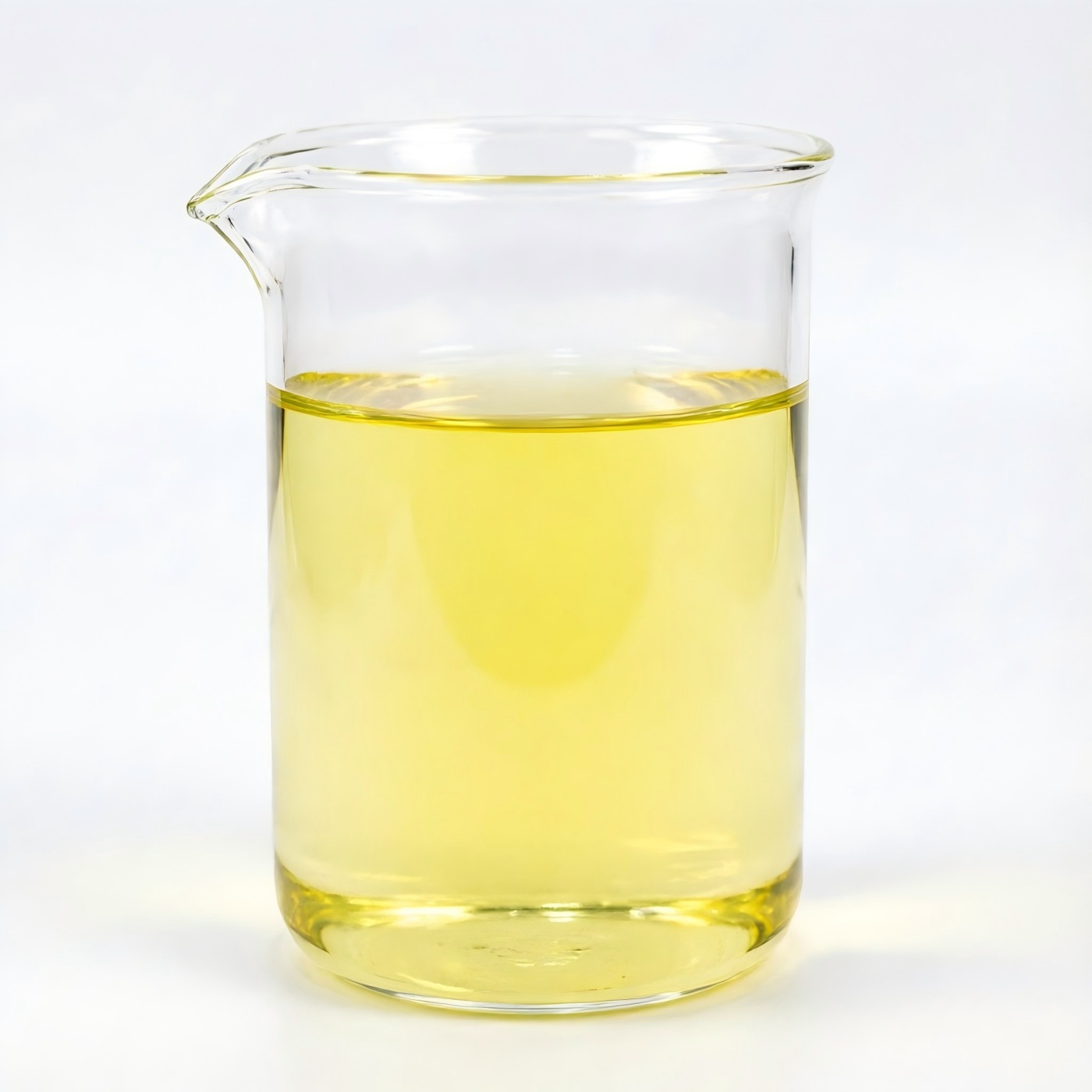
| Appearance | Pale yellow-green liquid |
| Available Chlorine (Technical Grade) | 10–15% (Typical Industrial) |
| Optimal pH (Gold Leaching) | 10–13.5 (Alkaline) or <8 (Chloride-Hypochlorite) |
| Optimal Temperature | 30–80°C (Ore Dependent) |
Specifications
Technical-grade sodium hypochlorite requires controlled available chlorine content and stable chemical performance for hydrometallurgical applications.
Its effectiveness depends on ore mineralogy, oxidation conditions, pH control, temperature management and supporting additives such as carbonate regulators.
Storage & Handling
Store sodium hypochlorite in tightly sealed, UV-protected containers in a cool and well-ventilated area. Keep away from heat, acids and organic materials to prevent decomposition and chlorine gas release.
Because NaClO is sensitive to light, heat and acidic environments, proper storage conditions are essential for maintaining oxidizing activity and operational stability.
Operators should use chemical-resistant gloves, safety goggles and protective clothing during handling. In case of spillage, neutralization with suitable reducing agents such as sodium thiosulfate and disposal according to local regulations are recommended.
Advantages / Limitations
Advantages
Non-cyanide oxidizing reagent for alternative hydrometallurgical processing routes.
Provides rapid oxidation kinetics with reported leaching time reduction compared with conventional cyanidation.
Achieves high gold recovery performance from selected refractory sulfide ores.
Enables selective molybdenum extraction from copper-molybdenum tailings.
Supports tungsten-molybdenum oxidation and nickel-cobalt separation processes.
Carbonate additives can improve oxidant stability and leaching efficiency.
Limitations
High reagent consumption may occur due to NaClO decomposition during processing.
Performance depends strongly on ore mineralogy and process conditions.
Fe(OH)₃ secondary precipitation may affect recovery without proper regulation.
Corrosive characteristics require suitable equipment and handling systems.
Summary
Sodium hypochlorite (CAS 7681-52-9) is a powerful non-cyanide oxidant used in strategic metal extraction applications, including refractory gold leaching, molybdenum recovery, tungsten-molybdenum processing and nickel-cobalt separation.
Through oxidative dissolution and chloride complexation mechanisms, NaClO provides an alternative processing route for selected mineral systems requiring strong oxidation performance.
With optimized control of pH, temperature, reagent dosage and stabilizing additives, sodium hypochlorite can support efficient hydrometallurgical operations while reducing dependence on traditional cyanide-based approaches.
Sodium Hypochlorite – FAQ
Q1. How does sodium hypochlorite work as an oxidation enhancer in mineral leaching processes?
Sodium hypochlorite acts as an oxidizing reagent by providing active chlorine species that can participate in oxidation reactions during hydrometallurgical processes. In mineral leaching applications, it may help modify the oxidation environment of certain ores and influence the dissolution behavior of target metals. Its effectiveness depends on ore mineralogy, solution chemistry, pH, temperature, and reagent consumption by gangue minerals. Laboratory testing is recommended to evaluate oxidation efficiency, target metal recovery, impurity dissolution, and reagent stability before applying sodium hypochlorite in industrial leaching circuits.
Q2. How should the effective chlorine concentration of sodium hypochlorite be optimized for gold leaching applications?
The effective chlorine concentration of sodium hypochlorite is an important parameter affecting oxidation performance in gold leaching systems. An appropriate concentration can provide sufficient oxidation capacity, while excessive active chlorine may increase reagent consumption or influence the stability of other process reagents. Optimization should be based on laboratory tests using representative ore samples, with evaluation of gold dissolution rate, recovery, oxidation efficiency, and solution chemistry. Key operating parameters, including pH, pulp density, temperature, and leaching time, should be controlled to determine the suitable sodium hypochlorite concentration for a specific gold ore.
Q3. Can sodium hypochlorite improve the leaching performance of high-sulfur gold ores?
High-sulfur gold ores often require oxidation pretreatment or enhanced oxidation conditions because sulfide minerals may encapsulate gold particles and consume leaching reagents. Sodium hypochlorite can provide an oxidizing environment that may assist sulfide oxidation under suitable conditions. However, the actual effect depends on sulfide mineral composition, gold occurrence, reagent dosage, and process design. Metallurgical evaluation should examine sulfide oxidation level, gold liberation, recovery improvement, and reagent consumption through laboratory testing before considering sodium hypochlorite as part of a commercial leaching process.
Q4. What factors determine the optimal dosage of sodium hypochlorite in gold leaching systems?
The optimal dosage of sodium hypochlorite depends on ore characteristics, oxidation demand, mineral composition, and the interaction with other reagents in the leaching circuit. Factors such as sulfide content, organic matter, dissolved metals, pH conditions, and residence time can significantly influence reagent requirements. A suitable dosage should provide sufficient oxidation capacity without unnecessary chemical consumption. Mining operations typically determine dosage through bottle-roll tests or controlled laboratory experiments, monitoring gold recovery, oxidation indicators, impurity dissolution, and overall process stability under conditions similar to the planned industrial operation.
Q5. How does sodium hypochlorite affect copper-bearing gold ores during leaching?
Copper-bearing gold ores can present challenges during leaching because copper minerals may consume oxidizing agents and affect gold dissolution selectivity. Sodium hypochlorite may influence copper mineral oxidation behavior depending on mineral type, solution conditions, and reagent concentration. The practical impact should be evaluated by monitoring gold recovery, copper dissolution, reagent consumption, and downstream solution treatment requirements. Laboratory testing with actual ore samples is recommended to determine whether sodium hypochlorite improves oxidation conditions or creates additional challenges in copper-gold leaching systems.
Q6. How does pH control influence the performance of sodium hypochlorite as a leaching enhancer?
pH control is critical when using sodium hypochlorite because active chlorine species and oxidation behavior are strongly affected by solution alkalinity or acidity. Maintaining a suitable pH range helps improve reagent stability and allows more predictable oxidation performance during leaching. Extreme pH conditions may accelerate reagent decomposition or alter the interaction between sodium hypochlorite and mineral surfaces. During process optimization, operators should monitor pH variation, active chlorine concentration, metal dissolution behavior, and reagent consumption to establish suitable operating conditions for a specific ore treatment process.
Q7. What are the differences between sodium hypochlorite and calcium hypochlorite in oxidation-enhanced leaching?
Sodium hypochlorite and calcium hypochlorite are both chlorine-based oxidizing reagents, but they differ in chemical composition, handling characteristics, dissolution behavior, and influence on solution chemistry. Sodium hypochlorite provides active chlorine in liquid form and is often evaluated where controlled dosing and rapid mixing are required. Calcium hypochlorite is commonly supplied as a solid reagent with different storage and handling considerations. The preferred option depends on process requirements, water chemistry, mineral composition, and operational conditions. Laboratory comparison tests can help determine which oxidant provides better technical compatibility for a specific leaching application.
Q8. Can sodium hypochlorite be used in nickel and cobalt hydrometallurgical processes?
Sodium hypochlorite may be evaluated as an oxidizing reagent in certain nickel and cobalt hydrometallurgical processes where oxidation conditions influence metal dissolution or impurity control. Its application depends on ore type, such as laterite or sulfide materials, and the selected leaching route. Important evaluation parameters include nickel and cobalt extraction, iron and manganese behavior, reagent stability, and downstream purification requirements. Because chlorine-based oxidants can react with various minerals and dissolved species, laboratory and pilot-scale testing should be performed before industrial implementation to confirm process compatibility.
Q9. How should sodium hypochlorite performance be evaluated in mineral leaching optimization?
Evaluation of sodium hypochlorite in mineral leaching should consider both metallurgical performance and process stability. Key indicators include target metal recovery, dissolution kinetics, oxidation efficiency, impurity behavior, active chlorine consumption, and compatibility with existing reagents. Laboratory tests should simulate plant conditions by controlling parameters such as pH, temperature, particle size, pulp density, and leaching duration. A comprehensive assessment helps determine whether sodium hypochlorite provides measurable benefits for a specific ore type and whether its use is technically and economically suitable for industrial application.
Q10. How does sodium hypochlorite concentration affect gold leaching rate and process stability?
Sodium hypochlorite concentration can influence gold leaching behavior by changing the oxidation environment and reaction kinetics. A controlled concentration may improve oxidation conditions for certain ore systems, while excessive concentration can increase reagent demand or affect the stability of other chemicals involved in the process. Optimization requires systematic testing of different concentrations while monitoring gold dissolution rate, recovery, solution composition, and reagent consumption. Mining engineers should evaluate sodium hypochlorite under actual ore conditions because mineralogy, gangue composition, and existing process parameters strongly affect the final leaching performance.